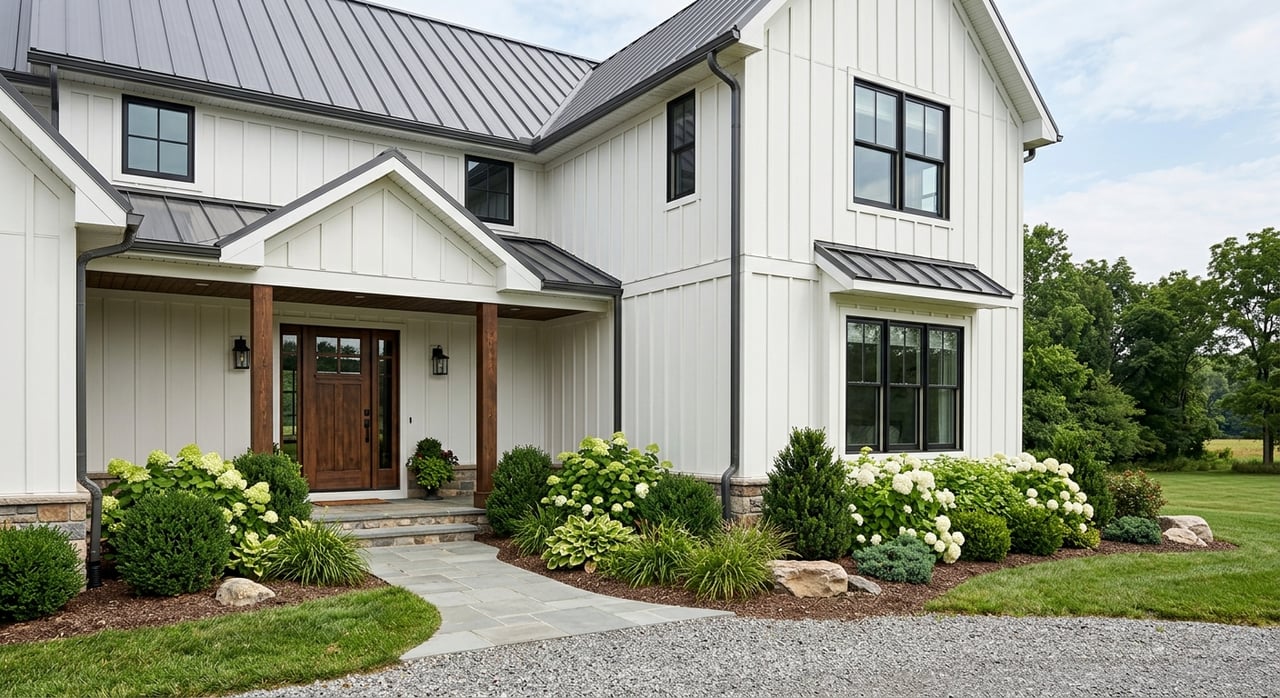
Modern Farmhouse Homes and Design in Milton, GA
Looking for a home style that feels polished, practical, and perfectly at home in Milton? That is exactly why modern farmhouse continues to get attention here. If you are buying, building, renovating, or preparing to sell, understanding how this style fits Milton can help you make smarter design choices and avoid the versions that already feel dated. Let’s dive in.
Milton describes itself as rural but not remote, and that local identity matters when you look at home design. The city says roughly 85% of its more than 39 square miles is agriculturally zoned, with residential lots generally at least 1 acre. That setting naturally supports homes with a farmhouse influence, especially when the architecture feels connected to the land.
Milton’s long-range planning also reinforces that idea. The city’s 2040 Comprehensive Plan emphasizes rural-residential patterns, equestrian uses, viewsheds, and large-lot incentives across several character areas. In simple terms, modern farmhouse tends to work best here when it feels proportionate, restrained, and tailored to the site.
That local context is important for buyers and sellers alike. In Milton, style is not just about what photographs well. It also has to make sense within a city review environment that includes permitting, design review, development rules, and tree-conservation requirements.
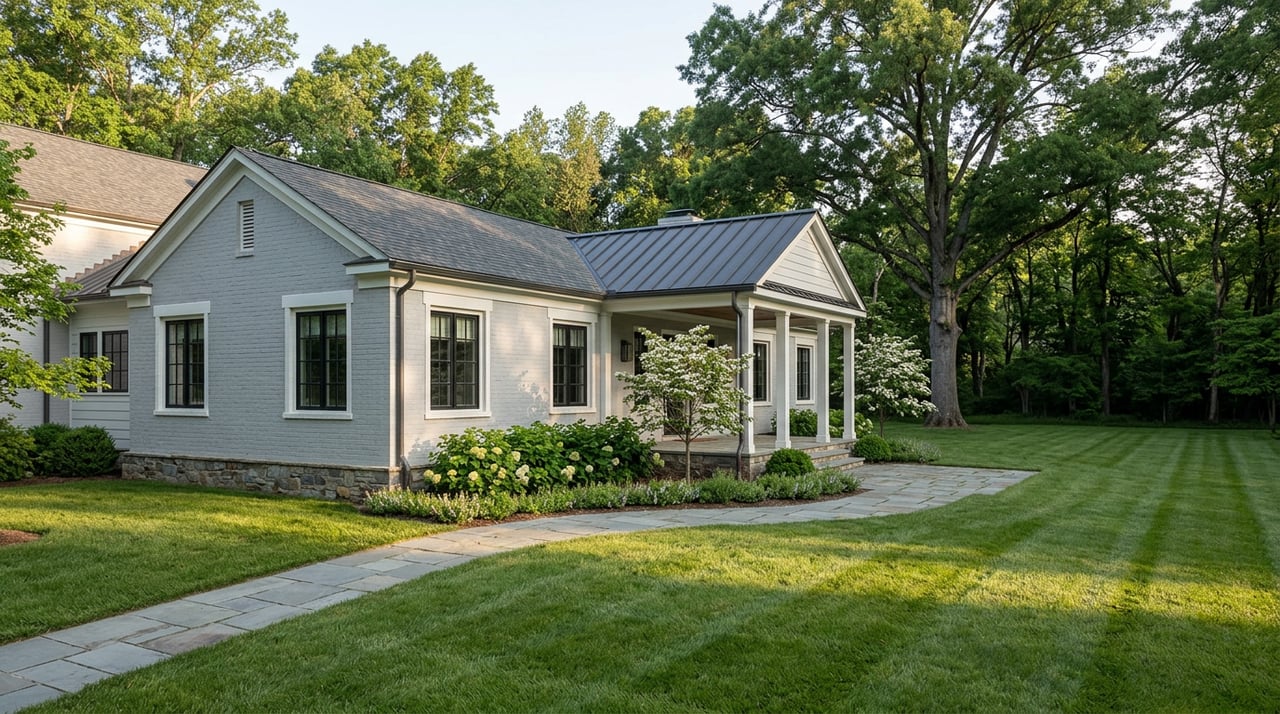
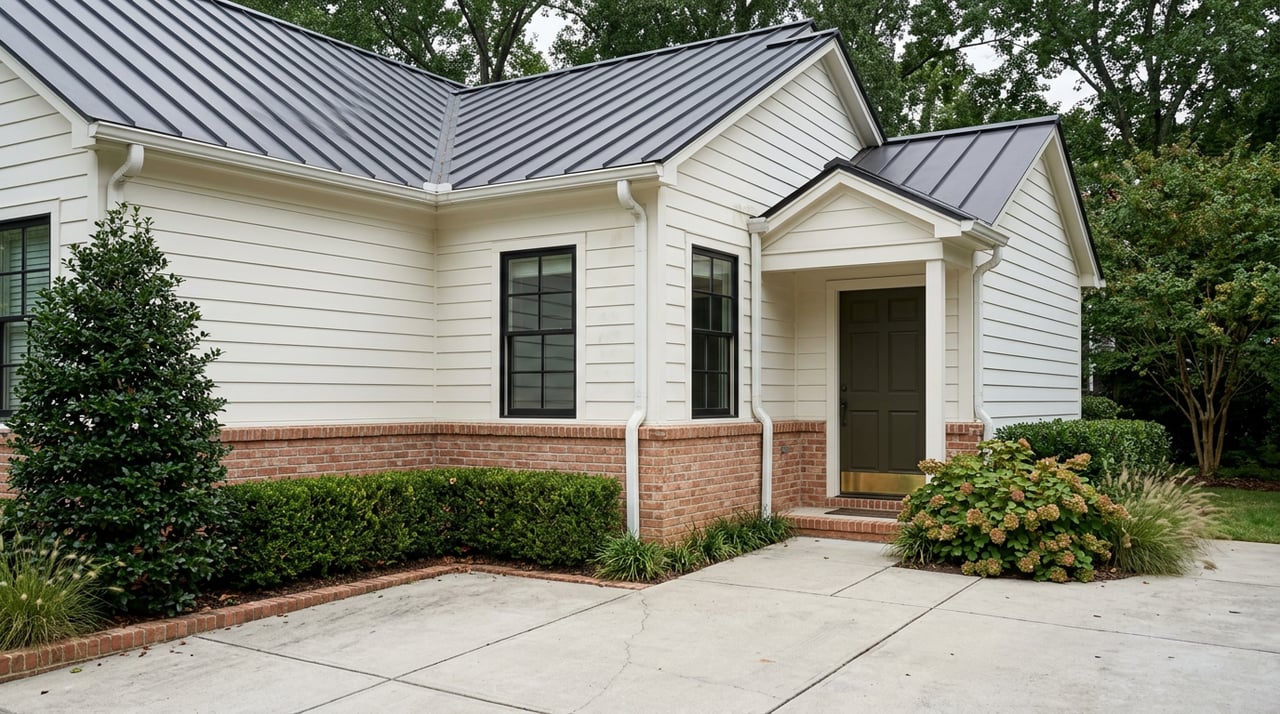
The modern farmhouse look is easy to recognize, but the best version is more refined than the trend-heavy homes of the 2010s. In broad terms, the style is known for light exteriors, board-and-batten siding, black-framed windows, gabled rooflines, and porch-forward design. Natural materials like wood, stone, and metal accents help soften the look.
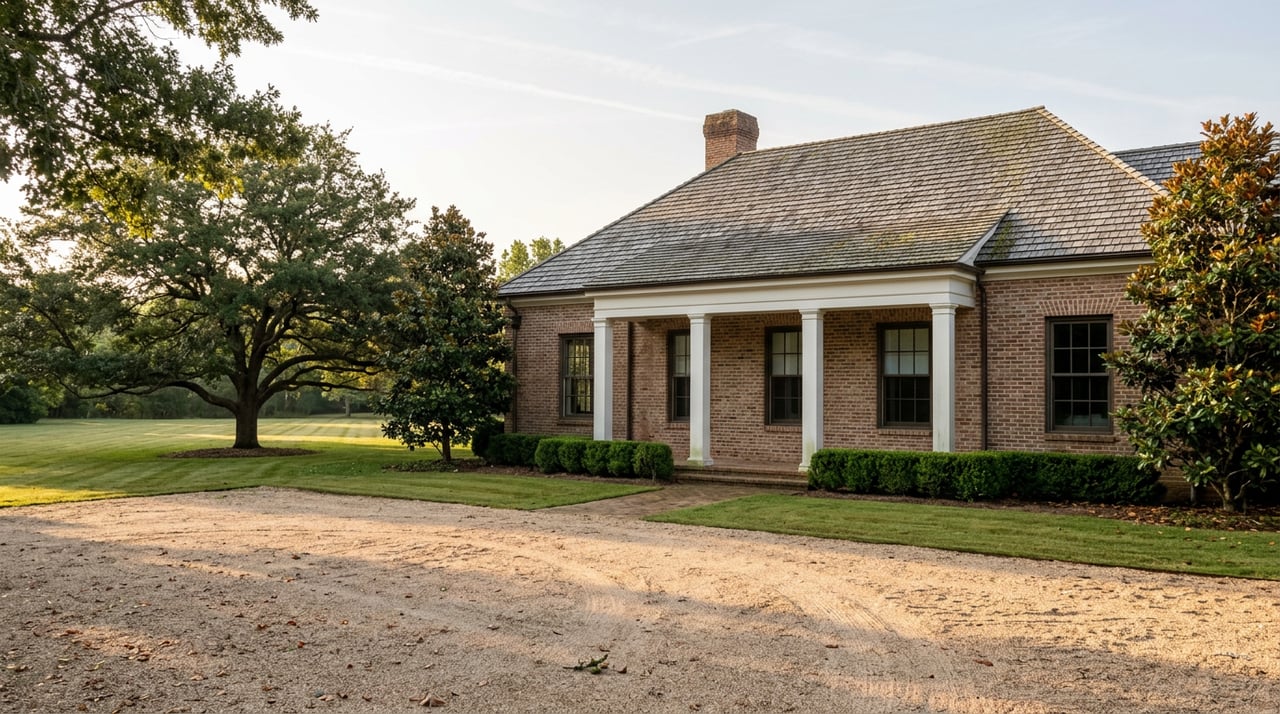
In Milton, those features often feel strongest when they are edited rather than exaggerated. A deep front porch, simple rooflines, honest materials, and mature landscaping usually feel more appropriate than a high-contrast, overly themed exterior. That matters in a market where homes often sit on larger lots with meaningful tree canopy and open views.
If you are planning updates or evaluating a listing, think of modern farmhouse as a design language, not a checklist. The most successful homes tend to borrow the warmth and simplicity of farmhouse style while keeping the overall presentation clean and current.
On Milton’s larger homesites, scale matters. A modern farmhouse exterior often looks best when the porch depth, gable sizes, and roof massing feel balanced with the lot rather than oversized for attention. That is especially true in areas with rural-residential character, where homes need to sit comfortably within the landscape.
A sprawling lot can support a broader footprint and stronger indoor-outdoor connection. But even then, restraint is usually the smarter move. Clean lines and simple forms tend to age better than decorative excess.
Board-and-batten siding remains one of the most recognizable farmhouse elements. In Milton, it often pairs well with stone, natural wood tones, and limited metal accents. These combinations can feel elevated without looking forced.
If you are renovating or building, material quality matters as much as color. Authentic textures and durable finishes tend to read better than overly distressed or imitation-rustic details. In this market, buyers often respond well to homes that feel timeless rather than trend-driven.
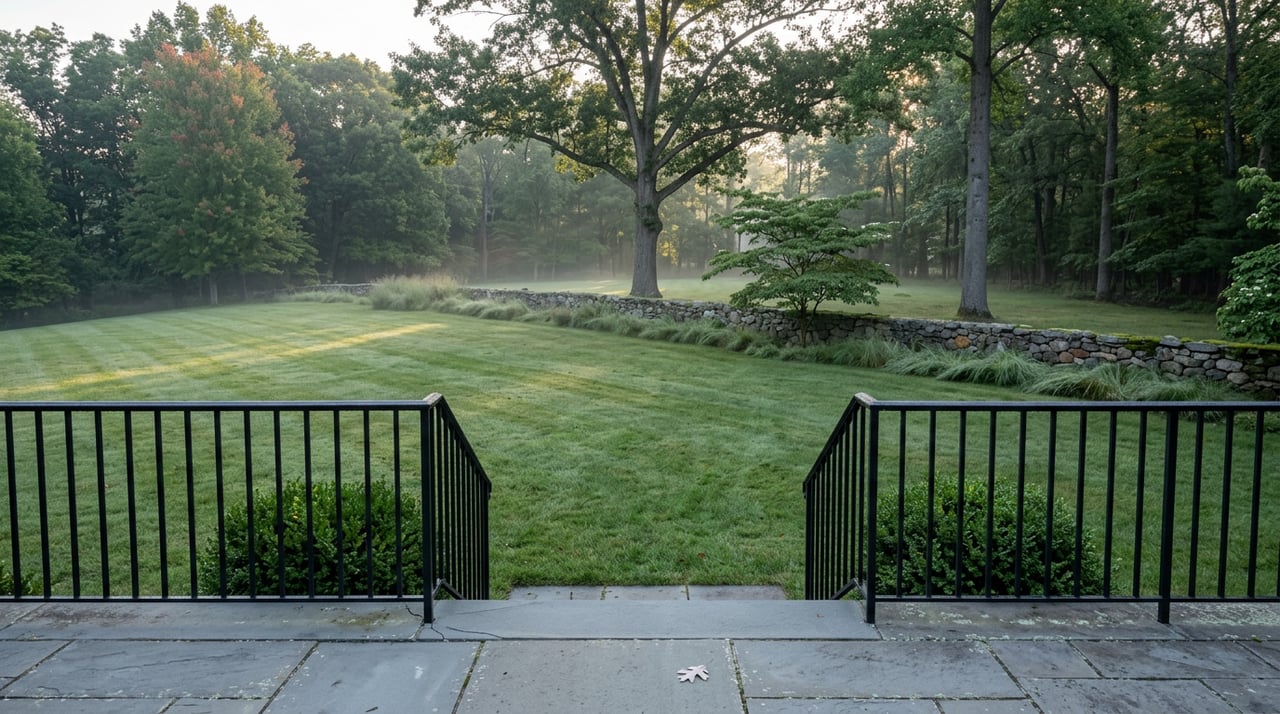
Milton’s tree-conservation rules make site planning an important part of the design conversation. Permits may be required for removing large trees and buffer trees, which means mature landscaping is not just a visual bonus. It is a real site asset.
That is one reason modern farmhouse can work so well here. When paired with preserved tree canopy, gravel or natural-feeling drive approaches, and thoughtful setbacks, the style feels rooted in place. Sellers should pay close attention to how trees, porches, and lot scale shape first impressions.
Inside, modern farmhouse usually leans bright, open, and highly usable. Buyers often expect a kitchen-centered great room, generous island, walk-in pantry, and strong connection between everyday living spaces. That layout still resonates because it supports both daily routines and entertaining.
In Milton, practical spaces matter just as much as visual appeal. Mudrooms, drop zones, private offices, dens, and flexible bonus rooms all fit the way many buyers want to live. Redfin’s spring 2026 home-trends data for Milton also highlights den, large windows, and full gym among features with strong sale-to-list performance.
The interior finish palette for modern farmhouse tends to blend classic and clean-lined elements. Shaker cabinetry, natural wood, stone or quartz counters, and matte black or dark bronze hardware are all common choices. Wide-plank floors and layered neutrals help create the bright, grounded look many buyers expect.
The safest strategy is to keep rustic details selective. You do not need a themed barn door in every room to communicate farmhouse style. In fact, a simpler approach often feels more elevated and better suited to Milton’s upper-end and move-up market.
One reason this style remains relevant is that it supports flexible living. A room that works as an office today and a playroom, studio, or guest retreat later gives buyers more options. That adaptability can make a home feel more useful over time.
If you are selling, this is worth highlighting in your presentation. Buyers are often drawn to spaces that feel easy to personalize without major renovation. A thoughtful layout can be just as important as a beautiful kitchen.
Crabapple is often described by the city as the heart of Milton, with City Hall, the library, schools, and growing development around places like Crabapple Market and the Market District. In this setting, modern farmhouse usually reads less like a rural estate and more like polished village architecture.
That means tighter massing, cleaner detailing, and a more refined streetscape presence. If you are shopping in or near Crabapple, expect farmhouse influence to show up in a more transitional way. The strongest homes here typically feel crisp and contextual rather than highly literal.
Deerfield is a major commercial and redevelopment area, and the city is actively shaping how it evolves through planning and design guidance. That means any farmhouse-inspired architecture in this area is likely to be more controlled in scale and expression.
For buyers, this is useful context. A Deerfield-area home with modern farmhouse cues may have the style’s warmth and simplicity, but within a more mixed-use-adjacent and design-reviewed environment. It is a different expression than what you may see on a larger estate lot.
Areas including Arnold Mill, Central Milton, Birmingham, Milton Lakes, and Sweetapple are more closely associated with large-lot, pastoral, equestrian, and rural-residential patterns in the city’s planning framework. These are the places where farmhouse-inspired homes often feel most natural.
In these settings, the architecture has room to breathe. Larger setbacks, open land, preserved trees, and long views allow porch-forward forms and simple gabled massing to feel grounded instead of decorative. If you want the fullest version of modern farmhouse living in Milton, these areas are often the clearest fit.
Bethany has a different feel, with more neighborhood variety and walkability in the city’s character-area narrative. Here, modern farmhouse can still work well, but often in a more neighborhood-scaled way.
That usually means balanced proportions, lighter detailing, and design choices that blend with surrounding homes. For sellers, the goal is not to force a rural-estate aesthetic where it does not belong. It is to present a home that feels cohesive with its immediate setting.
If you are buying a modern farmhouse home in Milton, focus on the features that are hardest to change later. Lot quality, tree canopy, window placement, natural light, and the overall floor plan often matter more than cosmetic finishes. Paint colors and light fixtures are easier to update than a choppy layout or a house that feels out of scale with the site.
It also helps to look past trend details and study the bones of the home. Ask whether the materials feel authentic, whether the architecture fits the lot, and whether the floor plan supports how you actually live. A construction-aware lens can help you separate lasting value from surface-level style.
For sellers, the opportunity is to present modern farmhouse features in a way that feels fresh and credible. In Milton, that often means emphasizing tree canopy, porch living, lot scale, large windows, and room flexibility. These are the qualities that connect both to local buyer preferences and to the city’s physical setting.
Current market context also matters. Redfin reports a median sale price of about $1.07 million in Milton in March 2026, a median list price of $1.14 million, and a median of 34 days on market. Its local trend data also shows strong sale-to-list performance for features including barn, 1-acre lot, mature trees, ranch, and large windows.
The caution is trend fatigue. The overdone white-and-black formula with little nuance can feel less compelling today. If you are preparing a home for market, a more thoughtful approach usually wins: cleaner styling, real material warmth, edited finishes, and a presentation that respects the lot and setting.
The biggest shift in modern farmhouse design is not that the style disappeared. It is that buyers have become more selective. The homes that still stand out tend to feel quieter, more material-driven, and more connected to place.
That is especially true in Milton. Because the city places real value on rural heritage, viewsheds, landscape, and character, the best modern farmhouse homes feel like they belong there. They do not try too hard, and they do not rely on clichés to make an impression.
If you are buying, selling, building, or renovating in Milton, this is where local advice matters. A home can absolutely embrace modern farmhouse design here, but the smartest version is one that aligns architecture, land, and lifestyle from the start.
If you want help evaluating a modern farmhouse home, planning updates before listing, or understanding which Milton areas best match your goals, Casey Schiltz offers a thoughtful, construction-aware approach to help you make confident decisions.
Stay up to date on the latest real estate trends.

With over 15 years of experience in the real estate industry, Casey has built a reputation for delivering exceptional results for her clients.