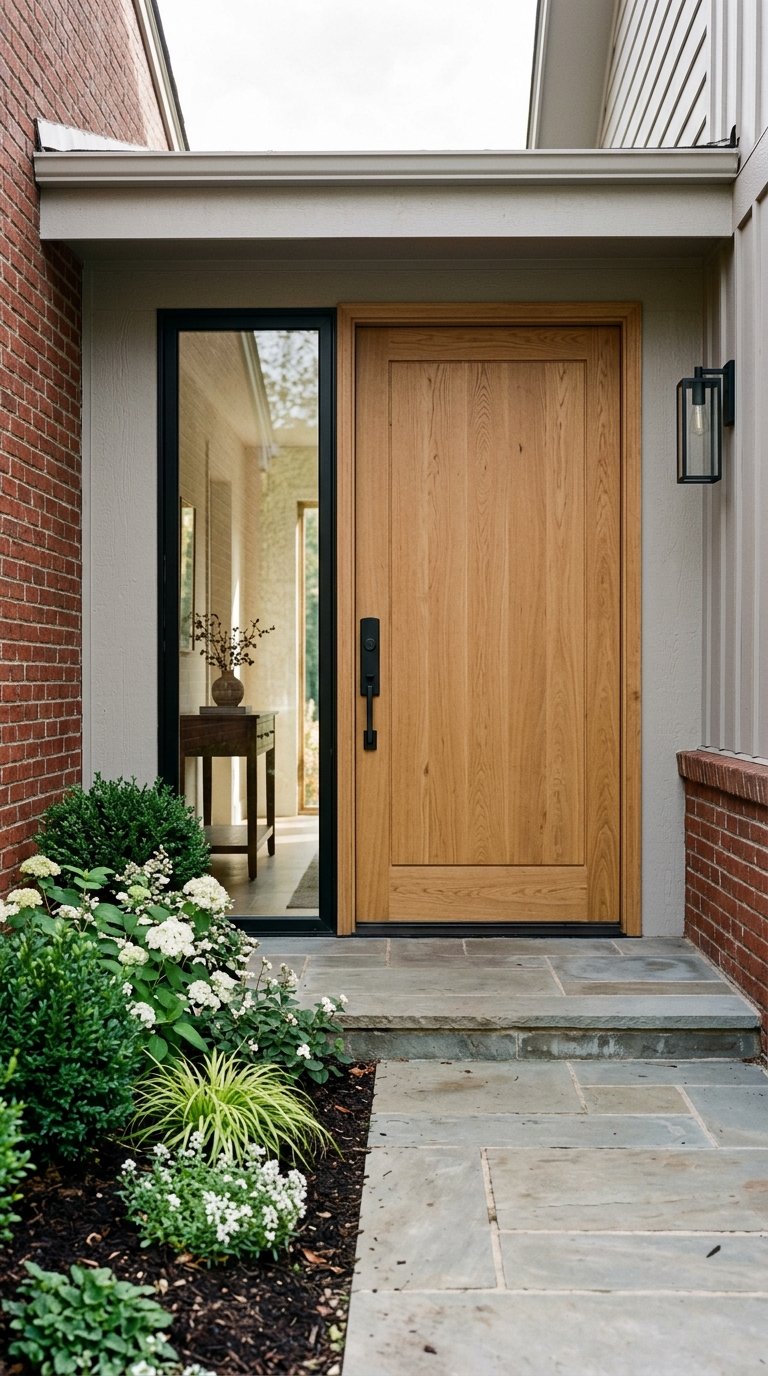
Your Step-by-Step Guide to Remote Homebuying in North Atlanta
Buying a home from out of state can feel like trying to solve a puzzle without seeing all the pieces in person. If you are relocating, buying a second home, or trying to secure the right property in North Atlanta before your move, you want a process that feels organized and clear. The good news is that remote homebuying is absolutely workable here when each step is handled in the right order. Let’s walk through what that looks like.
Before you schedule virtual showings or compare neighborhoods, get your financing lined up. A preapproval letter shows a lender’s tentative commitment up to a certain amount, and sellers often expect to see it with an offer.
That matters even more in a remote search because preapproval gives you a clear budget and keeps you from spending time on homes that do not fit your numbers. It is also important to remember that preapproval letters can expire, often in 30 to 60 days, so timing matters.
You can shop for homes and loan choices at the same time, but preapproval is still the practical first checkpoint. It helps you narrow your price range, move faster when the right home appears, and avoid avoidable delays later.
Remote homebuying in North Atlanta usually starts with virtual tools doing the heavy lifting. Live video showings, recorded room-by-room videos, screen-shared walkthroughs, and floor plans can help you understand a home’s layout, flow, and overall fit before you ever step on a plane.
This stage is about filtering smartly. Instead of traveling to see every possibility, you can use virtual tours to compare homes, ask questions in real time, and build a short list based on what actually fits your needs.
A local advisor becomes especially valuable here. You are not just looking at finishes on a screen. You are trying to understand how a home lives day to day, what stands out in person, and whether there are details worth a closer look.
Once you have seen a few homes virtually, the goal is to narrow your options with better context, not just more listings. That means reviewing floor plans carefully, revisiting video clips, and asking targeted questions about condition, layout, updates, and features that may not fully translate online.
For buyers considering renovated homes, new construction, or homes with value-add potential, this is also where construction fluency can help. Practical guidance about layout flow, build quality, and renovation considerations can make your remote search more grounded and less guesswork-driven.
When the right home comes into focus, your offer needs to be based on both the property and the process ahead. Remote buying works best when you treat the offer as the start of a coordinated timeline, not just a price discussion.
You will want to be clear on deadlines, contingencies, financing timing, and how decisions will be handled if new information comes up during due diligence. Because you are not down the street, communication and organization matter even more.
Many buyers want help not only finding a home, but also negotiating and understanding the process. That is a big reason a local North Atlanta advisor can make remote buying feel more manageable from contract to closing.
These two steps often get lumped together, but they do very different jobs. A home inspection is an in-depth, unbiased examination by a qualified inspector, while an appraisal is an independent value assessment used by the lender.
The inspection helps you understand the home’s condition. The appraisal helps the lender confirm the property’s value for the loan. If the inspection uncovers serious issues, you may have options depending on the contract. If the appraisal comes in below the contract price, you may need to renegotiate or cancel, again depending on the contract terms.
For remote buyers, both steps deserve real attention. You will likely want the inspection report reviewed carefully, along with a live conversation about what matters most, what may be routine, and what could affect your decision or negotiation strategy.
An inspection goes beyond surface-level presentation. It is meant to identify the home’s condition in a much more detailed way, which is especially important if most of your early impressions came through a screen.
If the report reveals significant concerns, that can change your next move. You may decide to request repairs, negotiate terms, or in some cases walk away if the contract allows it.
The appraisal is primarily for the lender, but it can directly affect your deal. Borrowers generally receive the appraisal no later than three days before closing, and if the value is lower than expected, that can create a pricing issue that needs to be resolved quickly.
That is why remote buyers should treat appraisal timing seriously. It is one of the checkpoints that can impact closing even after a deal seems to be moving smoothly.
Remote closings work best when you think of them as a deadline-driven coordination phase. There are documents to review, timelines to track, and multiple parties working together, including your lender and the closing team.
One of the most important milestones is the Closing Disclosure. Borrowers must receive it at least three business days before closing, and that window should be used to compare it with the Loan Estimate and address any discrepancies with the lender or closing agent.
This is not the time to skim. Reviewing figures early can help catch surprises before they become last-minute problems.
One of the biggest remote-closing risks is wire fraud. Scammers may impersonate a real estate or settlement contact and try to send changed wiring instructions right before closing.
If anything about payment instructions changes unexpectedly, verify it directly with your lender or closing agent before sending funds. A quick confirmation step can protect you from a very expensive mistake.
This is one of the most important parts of remote homebuying in North Atlanta. In Georgia, the closing and deed side of the transaction is attorney-led.
The Georgia Supreme Court has held that only a licensed Georgia attorney may prepare or facilitate the execution of a deed of conveyance or close a real estate transaction. So even if much of your search, touring, and document review happens remotely, the final legal steps are still handled within Georgia’s attorney-led framework.
That is why remote buying here is not really a one-click process. It is a coordinated sequence that blends virtual convenience with local legal and closing requirements.
For homes in Fulton County, the final paperwork also has county-specific requirements. Deeds generally must be in writing, signed by the grantor, attested by at least two witnesses, and notarized.
Fulton County also has additional execution rules for deeds signed outside Georgia. That is a key detail for remote buyers because signing logistics may look different when documents are being handled across state lines.
There is also a timing difference worth knowing. Fulton County’s eRecording process through approved vendors or GSCCCA is typically processed in 2 to 3 business days, while paper filings may take up to four weeks.
That does not change whether you buy the home, but it does show why local coordination matters. Small paperwork or execution issues can affect how quickly documents move through the final stage.
Remote homebuying can save time and reduce unnecessary travel, but it still involves a lot of moving parts. Financing, tours, offer strategy, inspection review, appraisal timing, attorney-led closing, and county recording all need to stay in sync.
That is where local guidance can make the process feel far more manageable. You want someone who can help keep deadlines organized, surface issues early, and give you practical context when you cannot be there in person for every step.
In North Atlanta, that kind of support is especially valuable for relocation buyers, second-home buyers, and anyone weighing renovated or newer homes. A well-managed remote purchase is not about doing less. It is about coordinating better.
If you are planning a move or exploring a remote purchase in North Atlanta, working with Casey Schiltz can help you navigate the process with local insight, responsive guidance, and a more confident step-by-step plan.
Stay up to date on the latest real estate trends.

With over 15 years of experience in the real estate industry, Casey has built a reputation for delivering exceptional results for her clients.