North Atlanta vs Intown Atlanta: Choose Your Lifestyle
Torn between the energy of Intown Atlanta and the breathing room of North Atlanta’s suburbs? You’re not alone. Choosing where to live is really about how you want to live — your commute, how you spend weekends, and what kind of home fits your routine. In this guide, you’ll learn the real lifestyle tradeoffs, from housing types and price patterns to transit, schools, and amenities, so you can feel confident about your next move. Let’s dive in.
Commute times are closer than you might expect. American Community Survey data shows mean one-way commutes around the mid-to-high 20 minutes in both areas, with Alpharetta at about 26.3 minutes and the City of Atlanta at about 26.8 minutes. Use these as a baseline only, since your exact route will vary by time of day and destination. You can review the ACS QuickFacts for context on commute times and local metrics in Alpharetta and beyond at the Census site. Explore ACS QuickFacts.
Typical pricing patterns differ by product type and location. Major real estate portals frequently show Milton with median sale prices above $1 million, while Alpharetta and Roswell often land below that but still above many citywide intown averages. Walkable intown neighborhoods like Virginia‑Highland, Inman Park, and Midtown often command higher price per square foot.
Transit and walkability split. Intown neighborhoods have the densest MARTA rail and bus coverage, plus BeltLine access. North of I‑285, heavy-rail MARTA service ends at North Springs, so suburbs like Alpharetta and Milton rely more on driving and commuter buses. See the MARTA system map for current coverage.
Walkability and green space feel different. Intown hubs like Midtown, Old Fourth Ward, and Inman Park score high on walkability and trail access. Suburbs offer pockets of walkability in places like Downtown Alpharetta and Avalon, balanced by larger-lot neighborhoods and trail systems like the Big Creek Greenway. Check area walkability patterns with Walk Score’s Atlanta overview and learn more about BeltLine culture on the Atlanta BeltLine site.
In Milton, Alpharetta, Roswell, and South Forsyth, most errands and school runs happen by car. You’ll likely spend more time maintaining a yard and enjoying private outdoor space. Activity clusters like Downtown Alpharetta and Avalon give you walkable dining and retail, yet your day-to-day still feels car-first across most neighborhoods. Trails and parks are a big part of the routine, with easy access to spots like the Big Creek Greenway.
In Midtown, Virginia‑Highland, Inman Park, Old Fourth Ward, and Buckhead, you can often walk to coffee, parks, and dinner. Expect more frequent events, occasional street closures, and visitor traffic near popular destinations. Proximity to many offices can mean shorter trips for hybrid or in-office days, and your weekends may skew toward festivals, BeltLine strolls, and cultural venues.
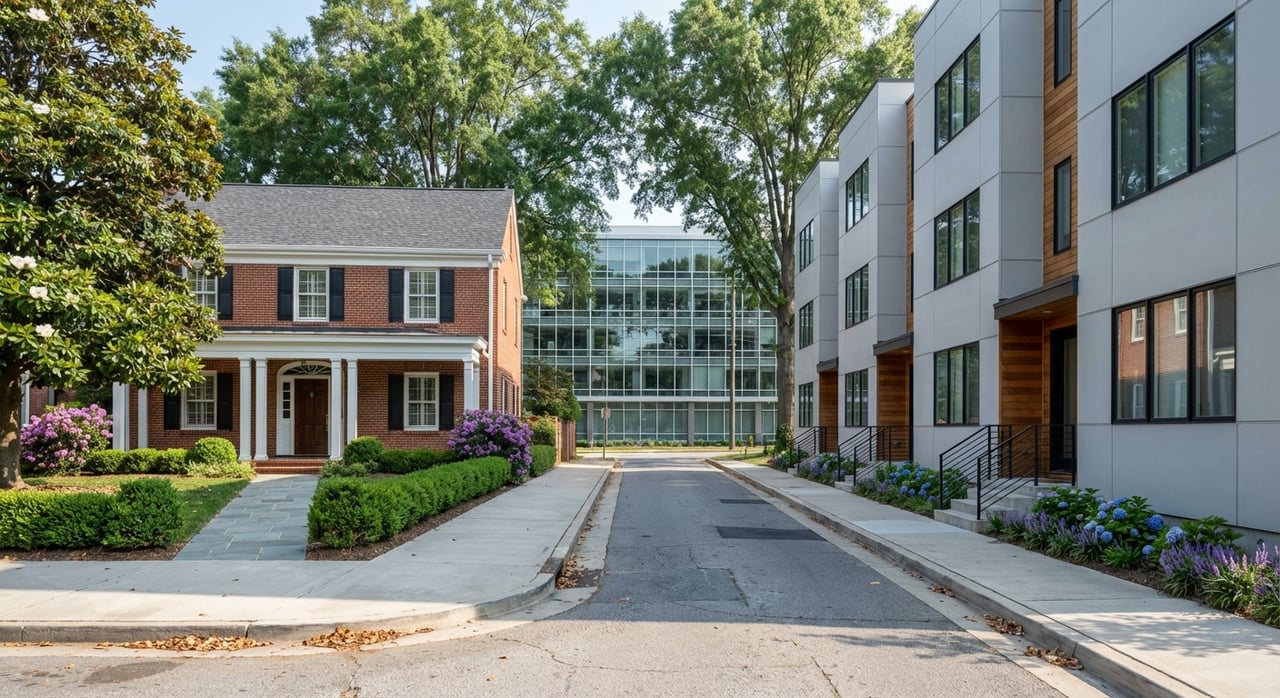
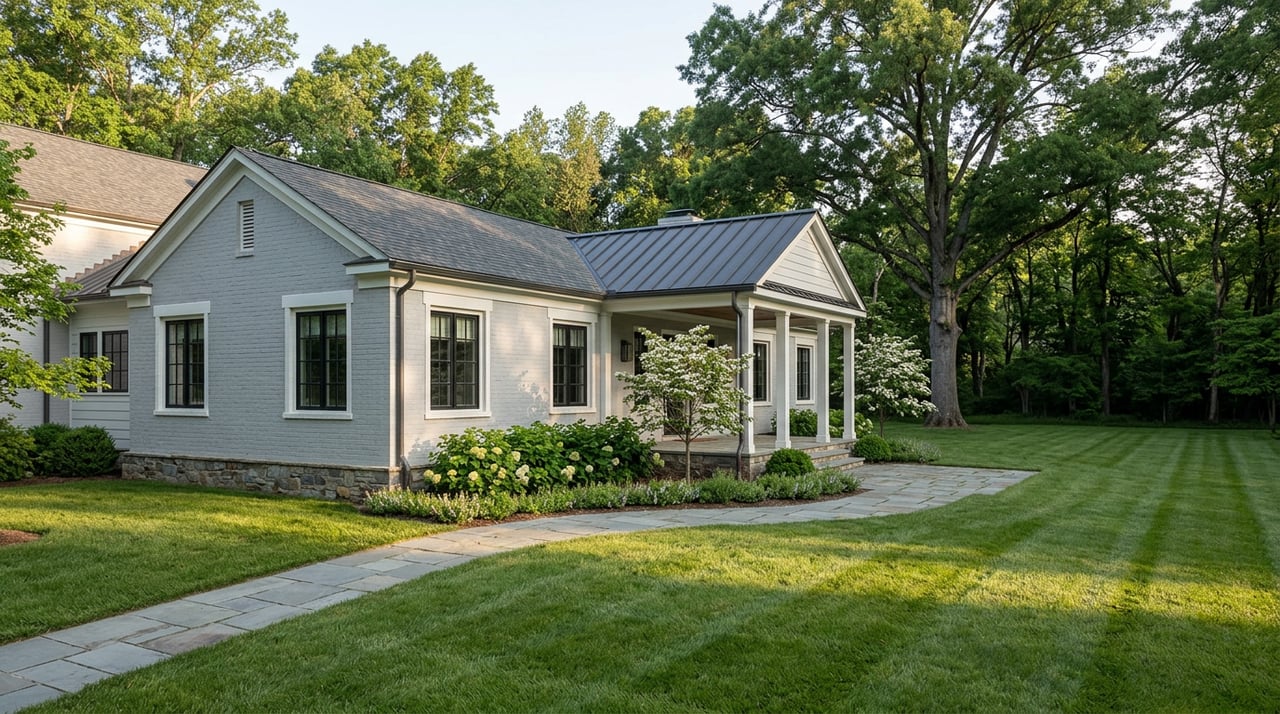
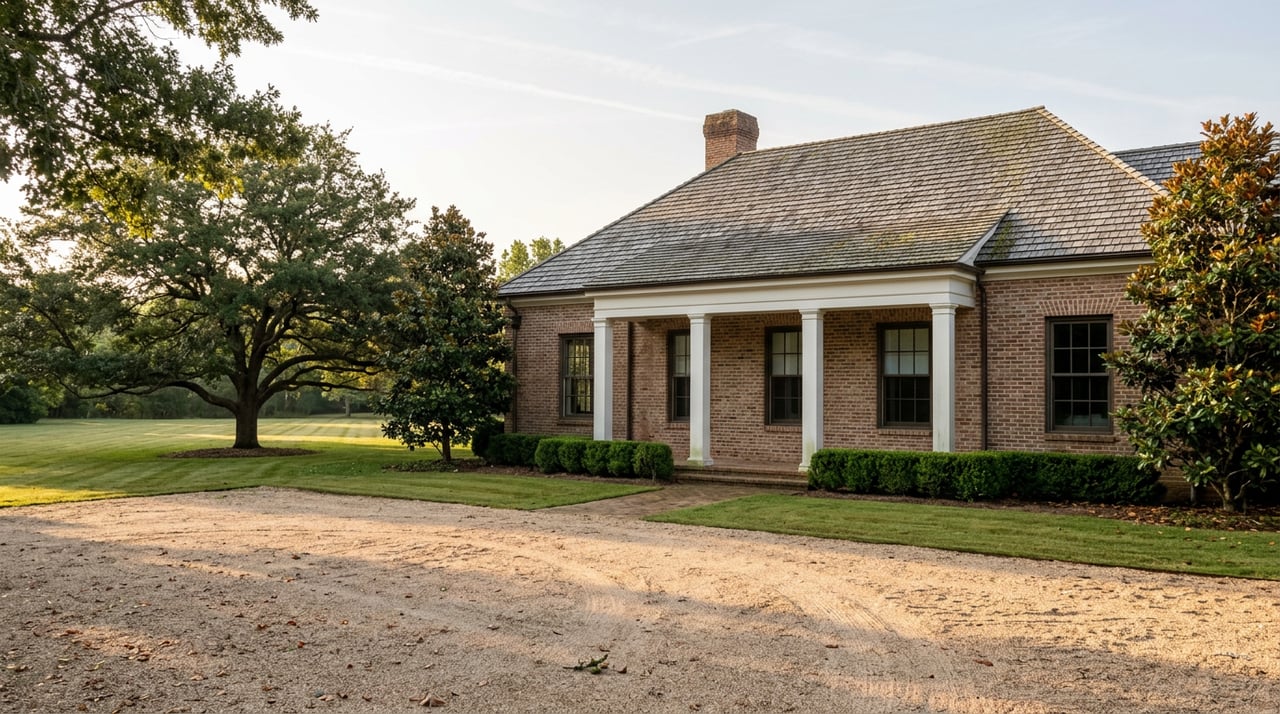
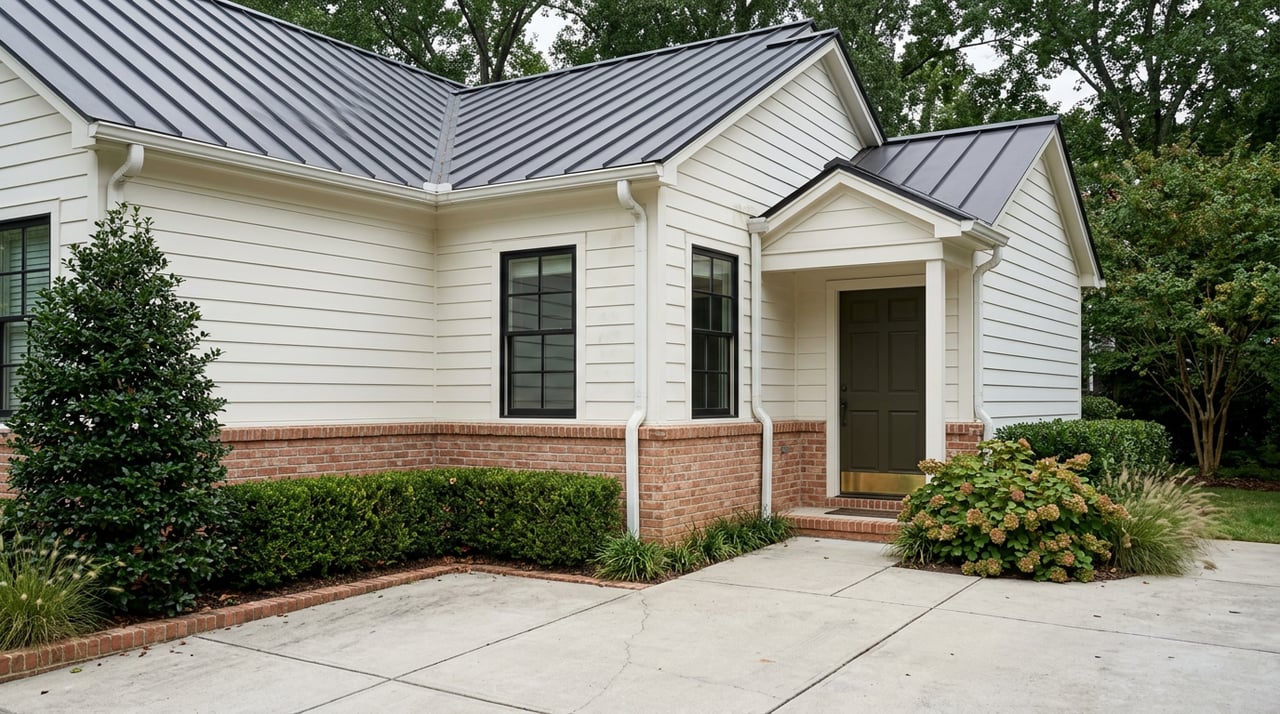
The suburbs offer more space for your budget. You’ll find single-family homes on larger lots, estate and golf-course properties in places like Milton, and a wide range of newer construction and master-planned communities, especially as you move into South Forsyth. Expect more square footage and a real backyard. If you’re considering new construction or value‑add renovations, having construction‑savvy guidance can help you weigh lot selection, builder specs, and finish-level decisions that affect value.
Intown housing is diverse and often historic. You’ll see craftsman bungalows and period homes in Virginia‑Highland and Inman Park, plus mid- and high-rise condos, lofts, and townhomes in Midtown, Buckhead, and West Midtown. Lots are generally smaller, and in the most walkable pockets you’ll see higher price per square foot. Many buyers trade yard size for location, lower exterior maintenance, and an easy out-the-door lifestyle.
North of I‑285, MARTA’s heavy-rail line stops at North Springs, which means Alpharetta and Milton residents typically drive or use commuter buses and park-and-ride options. You can confirm current rail and bus coverage using the MARTA system map. If you need daily rail access, living intown can be a strong advantage.
Keep future infrastructure in mind. The Georgia Department of Transportation’s SR‑400 Express Lanes project is in procurement and construction stages with openings slated through the early 2030s. It is designed to improve travel reliability in the corridor, though construction can affect traffic during buildout. Read a project overview of the public‑private partnership elements and timeline here: SR‑400 Express Lanes update.
Downtown Alpharetta, Avalon, and Halcyon offer curated dining, shopping, and events within a suburban framework. Many neighborhoods plug into parks, sports complexes, and trail systems like the Big Creek Greenway. If your ideal weekend includes youth sports, grilling in a private backyard, and occasional destination dinners without crossing town, this rhythm fits well.
Intown neighborhoods pack a high density of restaurants, breweries, and cultural venues. The BeltLine connects hotspots like Ponce City Market, Krog Street, and Old Fourth Ward, and Midtown anchors the arts scene with museums and parks. For an overview of one of the marquee destinations, see Ponce City Market. If you want most nights out to be walkable or a quick rideshare, intown aligns with that goal.
School zoning often drives neighborhood choice and pricing. Addresses in Alpharetta, Roswell, and Milton fall under Fulton County Schools, while South Forsyth and Cumming are served by Forsyth County Schools. Performance and boundaries vary by address, so always verify school assignment directly with the district. You can check current listings and school locations at the Fulton County Schools site. For families, also consider daily logistics like school commute time, after-school activities, and proximity to parks or trails.
Crime patterns vary by neighborhood. Citywide Atlanta reports often show higher property-crime incidence than some suburban municipalities, yet many intown pockets report low incidents and some commercial areas attract more activity. For a clear, address-specific picture, consult local police resources and tools like Crime Explorer’s Atlanta overview. Simple steps like checking lighting, sidewalks, and traffic patterns on your block can refine your decision.
Use this quick list to stress-test what fits your life. The “why it matters” notes can help you prioritize.
If you want space, privacy, and newer construction, North Atlanta suburbs like Milton, Alpharetta, Roswell, and South Forsyth tend to fit well. If you want walkable dining, cultural access, and rail connectivity, intown neighborhoods deliver that daily convenience. Many buyers narrow the choice by mapping three weeks of likely routines: two work commutes, one school route, one grocery run, two extracurricular trips, and two weekend outings. Once you test those routes at real times, the winner often becomes clear.
If you’re weighing new construction versus renovation, align the choice with your location priority first. In North Atlanta, new builds are more plentiful, and you can often choose plans or specs that match long-term needs. Intown, you may find a renovated bungalow or a condo where low exterior maintenance offsets smaller private outdoor space. A construction‑aware advisor can help you spot meaningful value — for example, which upgrades add ROI, which lots improve resale, or where a smart renovation could unlock function.
Ready to compare on-the-ground options? Schedule a consult and we’ll pair your lifestyle checklist with curated neighborhoods, address-level school verification, and a plan for tours on the dates and times that matter.
If you want a thoughtful, construction‑savvy strategy for North Atlanta or select Intown neighborhoods, connect with Casey Schiltz. We’ll tailor a short list that fits your day-to-day and your long-term goals.
Stay up to date on the latest real estate trends.

With over 15 years of experience in the real estate industry, Casey has built a reputation for delivering exceptional results for her clients.