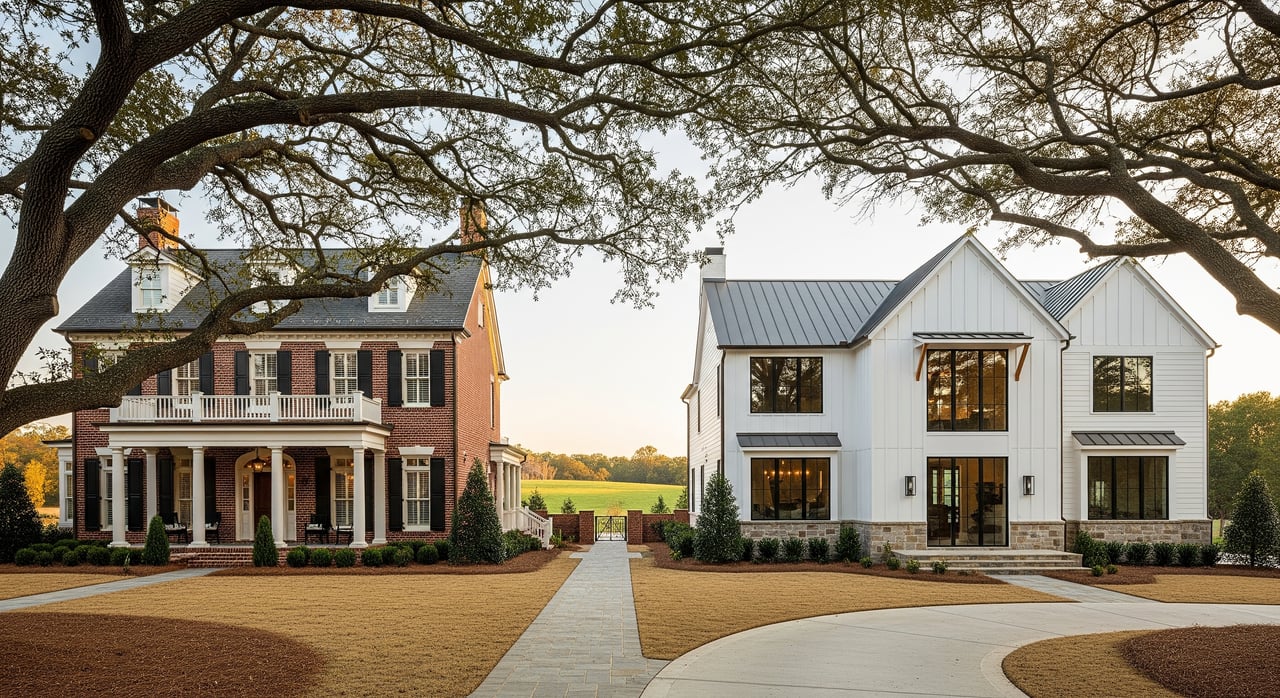
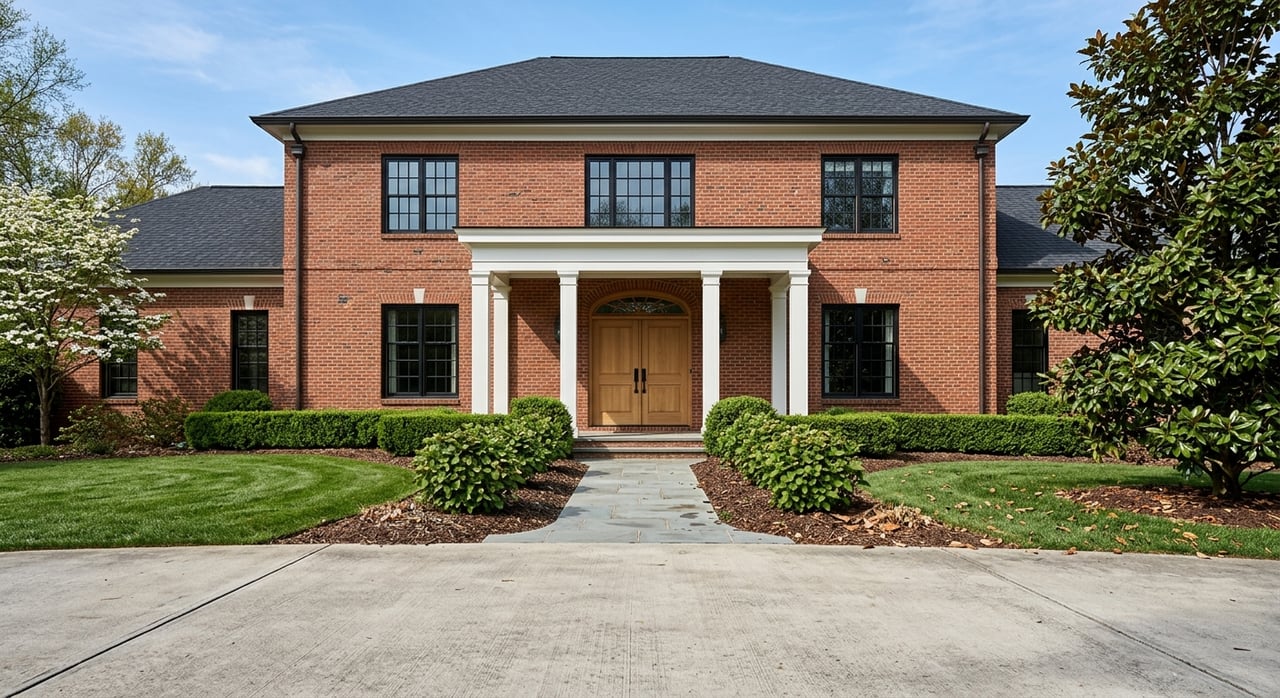
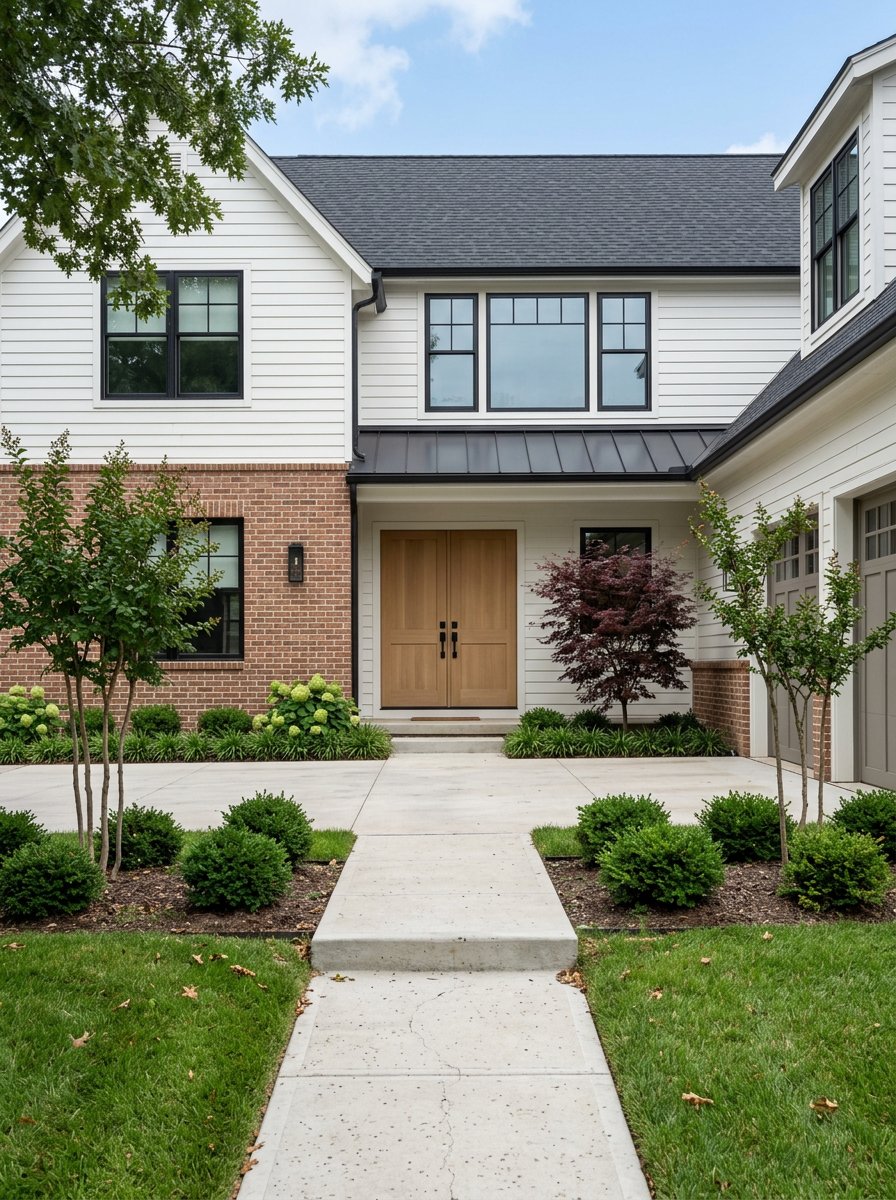
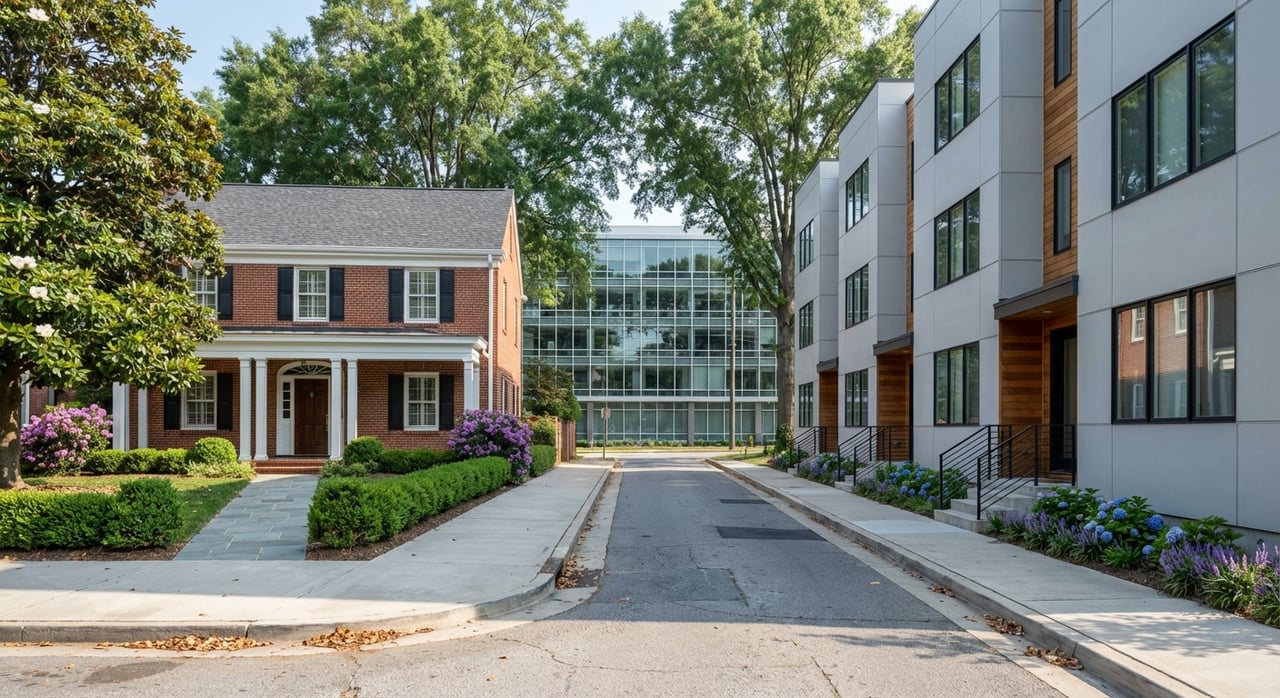
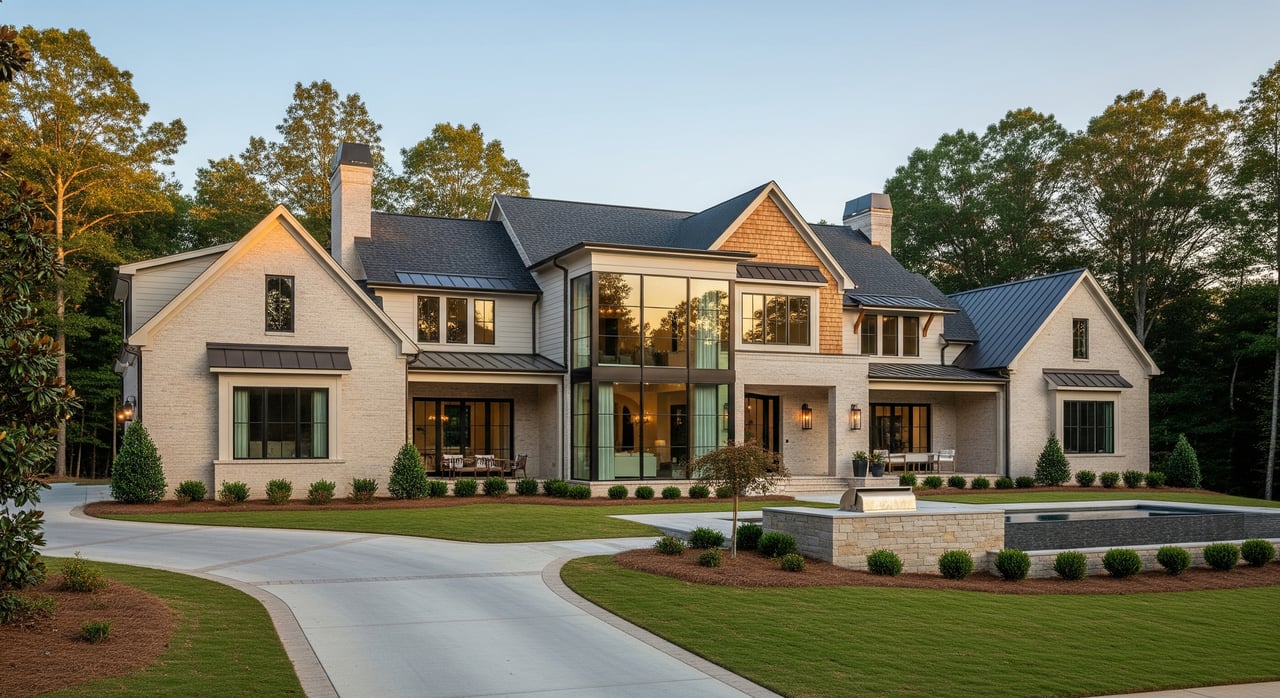
Torn between the clean slate of a new build and the character of a resale in Milton? You’re not alone. Move-up buyers here often balance lot quality, timing, and total cost while aiming for the right school zone and an easy commute. In this guide, you’ll get a clear, side-by-side look at costs, financing, timelines, inspections, warranties, resale value, and negotiation points so you can decide with confidence. Let’s dive in.
Milton context that matters
Milton is a low-density North Fulton community with a high share of single-family homes and larger lots. That means the land itself often drives value. Privacy, usable yard space, and proximity to schools and daily needs frequently matter as much as square footage.
In many neighborhoods, HOA rules and fees vary. Newer communities may have more defined standards and structured dues, while established areas can offer more mature landscaping and unique lot settings. Keep this in mind as you weigh a new build on a premium lot against a well-located resale.
Cost comparison at a glance
How prices are structured
- Resale: The list price typically reflects a finished home with landscaping and existing features. You negotiate around comps, condition, and timing. Seller concessions may offset your closing costs.
- New construction: You start with a base price, then add a lot premium and upgrades from the builder’s design center. Items like appliances, flooring, electrical packages, and trim can push the final price well above the base number.
Ongoing costs to plan for
- Property taxes: A new home’s initial assessment can lag, then adjust upward on reassessment. Build this into your projections.
- HOA dues: Newer communities often have structured dues for amenities and maintenance that can rise as the community matures.
- Maintenance: New homes may have lower near-term upkeep. Resales can need roof, HVAC, or cosmetic updates sooner.
Do a “true price” exercise
For a new build, add base price + realistic upgrade budget + lot premium + landscaping/drive + potential connection or impact fees. For a resale, add contract price + immediate repairs/updates + any seller concessions you expect. Include property tax estimates, HOA dues, insurance, and utilities for a full monthly view.
Financing and appraisal differences
Loan options by property type
- Resale: Conventional, FHA, or VA with a single close. Standard underwriting and rate locks.
- New construction: Options include a construction-to-permanent one-time close, a two-close route with a separate construction loan, or conventional financing for a completed spec. Construction loans may require higher down payments and interest-only payments during the build.
Appraisals and potential gaps
- Resale: Appraisers rely on recent comparable sales of completed homes. Limited comps can constrain values in slower pockets.
- New construction: Appraisers adjust for upgrades and use nearby new-build comps when available. If there are few, appraisal gaps can occur. Builder incentives like rate buydowns or closing credits help your cash flow but may not increase appraised value.
Rate locks and timing
Construction timelines introduce rate risk. One-time close loans may lock earlier, while two-close setups can expose you to a future rate environment. Talk with a lender about lock periods, extension costs, and float-down options.
Timelines, inspections, and warranties
How long it takes
- Resale: Contract to close often runs 30 to 60 days, depending on financing and contingencies.
- New construction: Allow 4 to 12 months or more due to permitting, weather, supply chain, and builder backlog. Build in cushion for delays.
Inspections you still need
- New builds have municipal inspections at stages like foundation, framing, mechanical rough-in, insulation, and final. You should still hire an independent inspector for staged checks: pre-pour, pre-drywall, and pre-closing.
- Resales call for a full home inspection and, as needed, roof, HVAC, pest, or sewer specialists.
Warranties and the punch list
Many builders offer a 1-2-10 style warranty: one year on workmanship and finishes, two years on mechanical systems, and ten years structural. Confirm the exact coverage and transferability. During your final walkthrough, create a punch list with dates for completion and an escalation path if items linger.
Resale value and long-term outlook
What holds value in Milton
Lot quality is central. Acreage, privacy, topography, and everyday access tend to matter over time. Energy efficiency and thoughtful upgrades help, as do established streetscapes and curb appeal.
Pros and cons by option
- New construction pros: Modern layouts, energy efficiency, new systems, and builder warranties. Lower immediate maintenance.
- New construction cons: More uniform design in some communities, smaller average lots in certain areas, and ongoing construction activity while a neighborhood builds out.
- Resale pros: Established landscaping, unique lot characteristics, and potential price negotiation.
- Resale cons: Older systems and possible layout updates to match current living preferences.
If you plan to stay 10 years or more, focus on fundamentals like lot and location. For a shorter horizon, ask how quickly similar homes have sold in nearby communities and what buyers sought most.
Negotiation and contract levers
New construction levers
- Leverage can show up in lot premiums, upgrade allowances, closing cost assistance, and rate buydowns more than the base price.
- Time-limited incentives may improve cash-to-close but do not always affect appraised value. Track the net effect.
Resale levers
- Ask for price adjustments, repair credits, closing cost help, inclusion of appliances or fixtures, or flexible possession dates.
Clauses that protect you
- For new builds: Define substantial completion, include target dates and remedies for delays, document all included specs and finishes, and outline how allowances are reconciled. Require a Certificate of Occupancy before closing.
- For resales: Use inspection and financing contingencies, define repair obligations, and ensure clear disclosures and clean title.
Practical decision tools
Side-by-side worksheet
Capture these fields for each property you are comparing:
- Basic: address or lot, neighborhood, school zone, HOA name and dues
- Upfront: list or base price, lot premium, upgrades or allowances, immediate repairs or updates, earnest money
- Financing: loan type, estimated down payment, monthly PITI, construction interest if applicable
- Ongoing: property tax estimate, HOA dues, insurance, utilities
- Timeline and risk: estimated move-in date, contingency days, municipal approvals or CO status
- Warranty and inspections: coverage periods, planned third-party inspections and dates, punch list window
- Resale appeal: lot quality, commute times, curb appeal, unique features
- Final decision score: weight customization value, timeline risk, cash feasibility, and resale appeal
Builder walkthrough checklist
- Pre-pour or foundation: verify setbacks, grading, and drainage plan; confirm plan changes are documented.
- Rough-in: check plumbing and electrical placement, HVAC duct routing, and specified insulation type.
- Pre-drywall: have a third-party inspector review framing, mechanicals, and any corrections.
- Pre-final walkthrough: confirm upgrades match the contract, test outlets and switches, run all water fixtures, verify HVAC operation and appliance models.
- Final walkthrough: photo-document defects, set written timelines for fixes, confirm warranty start date and contact process.
Who to involve
Work with a buyer’s agent experienced in Milton and new construction contracts, an independent inspector who performs staged inspections, and, for complex builds, a real estate attorney to review clauses and timelines.
Common pitfalls to avoid
- Underestimating upgrades and lot premiums on a new build
- Ignoring property tax reassessment risk in year one or two
- Skipping staged inspections because a home is “brand new”
- Accepting vague completion dates without remedies for delays
- Overlooking HOA rules that affect future plans, such as fencing or exterior changes
Making the call
Choose the path that best fits your timeline, budget, and lot priorities. If customization and low maintenance matter most, a new build may be right. If you value an established setting and potential price flexibility, a resale could be smarter. A construction-savvy advisor can help you model the true costs for both and negotiate the right terms.
If you want a calm, step-by-step process with clear numbers and builder-aware guidance, connect with Casey Schiltz. We’ll compare options side by side and help you move with confidence in Milton.
FAQs
Will a new construction home cost more overall in Milton?
- Often yes once you include lot premiums and upgrades, though you may save on near-term maintenance and energy. Build a full budget before deciding.
Can I negotiate with a builder in Milton?
- Yes. Builders often flex on lot premiums, upgrade allowances, closing costs, and rate buydowns more than on base price. Leverage depends on market conditions.
Do I still need inspections on a new build?
- Yes. Schedule staged third-party inspections at pre-pour, pre-drywall, and pre-closing even with municipal inspections and a builder warranty.
Which will hold value better in Milton, new or resale?
- Lot and location tend to lead. A well-located resale on a larger or more private lot can outperform a new home on a less desirable site.
How long will the process take for each option?
- Resales commonly close in 30 to 60 days. New construction can take 4 to 12 months or more, depending on permitting, weather, and builder timelines.