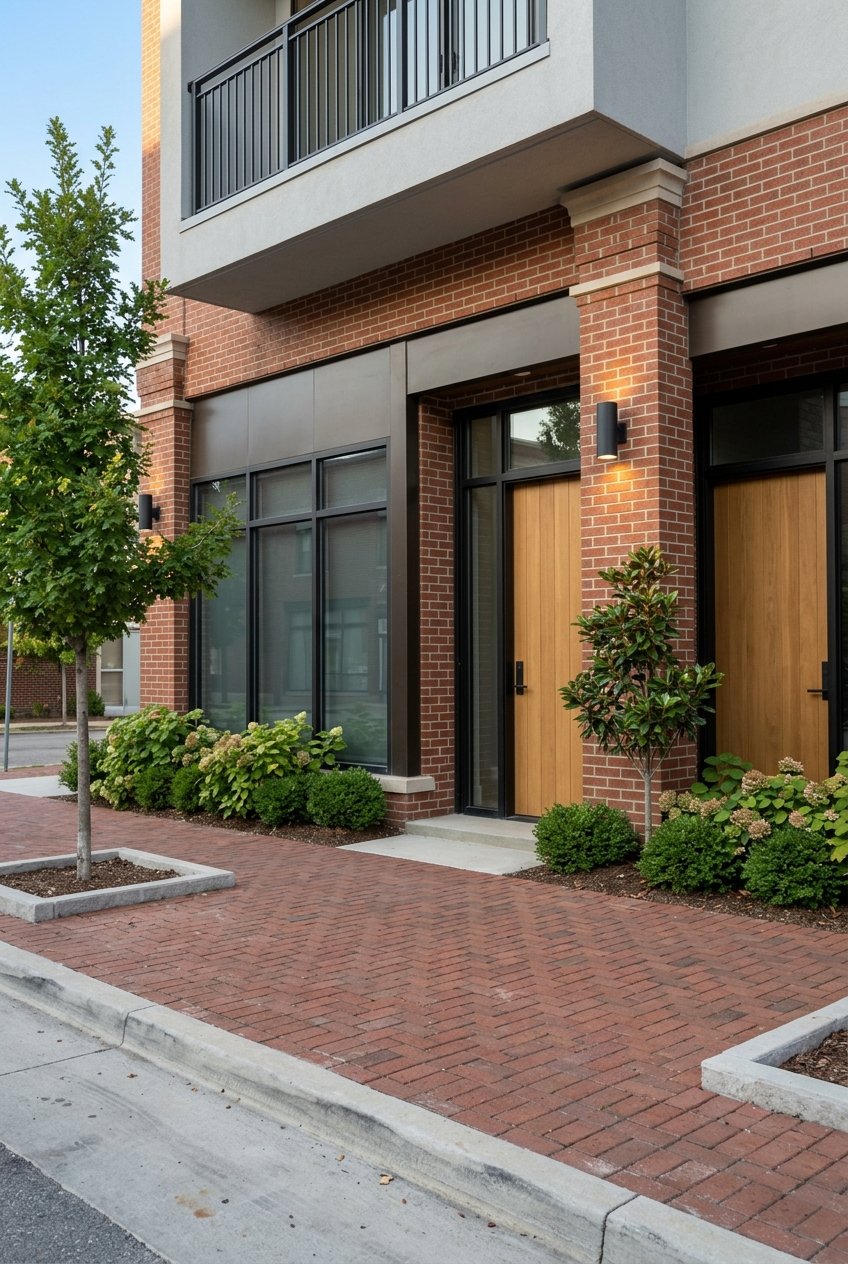
Where Walkable Alpharetta GA Living Works Best
Are you hoping to live in Alpharetta without getting in the car for every dinner reservation, coffee run, or weekend plan? If so, the good news is that Alpharetta does offer walkable lifestyle options, but they are concentrated in a few key areas rather than spread evenly across the city. If you want to understand where a true park-once, stroll-to-dining routine is realistic, this guide will help you focus on the spots that fit that goal best. Let’s dive in.
Alpharetta is best understood as a city with walkable pockets instead of one fully walkable street grid. The city’s planning framework points to downtown as the most walkable district, while other areas function more as mixed-use destinations or suburban residential neighborhoods.
For most buyers, that means your daily experience can vary a lot depending on your address. If your priority is walking to restaurants, shops, green space, and events, the strongest options are Downtown Alpharetta, Alpharetta City Center, Avalon, and parts of the Alpha Loop corridor.
Downtown Alpharetta is the clearest fit if you want charm, convenience, and a compact layout. The downtown area clusters coffee shops, boutique stores, chef-driven restaurants, and community spaces within a few blocks, which makes it easy to turn errands or dinner into a relaxed walk.
The downtown guide highlights more than 25 shops and boutiques along with more than 30 dining options. That kind of concentration matters because it makes short trips feel practical, not just pleasant on special occasions.
Another reason downtown stands out is how easy it is to settle into a park-once routine. The area includes multiple free parking options, and downtown is also a sip-and-stroll district, which supports a more relaxed, pedestrian-friendly outing.
Alpharetta City Center expands the downtown experience in a way that feels especially useful for everyday life. This 26-acre mixed-use destination was developed with the city to extend the historic downtown by six blocks.
City Center includes City Hall, the Fulton County Library, 74,000 square feet of retail and restaurants, 36,000 square feet of office space, 168 luxury apartments, and greenspace like Brooke Street Park and the Town Green. There is also free garage parking across from the library, which adds convenience for quick visits or longer afternoons.
For buyers comparing locations, City Center helps answer an important question: can walkability in Alpharetta be practical, not just scenic? In this part of town, the answer is often yes because dining, public space, and everyday destinations sit close together.
If your style leans more modern and mixed-use, Avalon is one of Alpharetta’s most recognizable walkable destinations. The 86-acre development is designed as a connected live-work-play environment, with retail, dining, residences, office space, hotel and conference space, and entertainment in one setting.
Avalon includes more than 570,000 square feet of retail, a 12-screen premium theater, more than two dozen chef-driven restaurants, and 637 residences. For many buyers, that creates the kind of lifestyle where dinner, a movie, shopping, and community events can all happen within a short walk.
Parking is also designed to keep visits low-friction. Free self-parking is available in decks and surface lots, on-street meters support quick stops, and valet is available as well.
One of the most appealing parts of walkable Alpharetta living is that Downtown and Avalon do not have to feel completely separate. The Alpha Loop is a multi-use trail network that links Avalon, Downtown, the North Point Eco District, and Northwinds.
A one-mile trail between Downtown Alpharetta and Avalon makes it more realistic to enjoy both districts in one outing. Alpharetta City Center also connects to the Alpha Loop, which helps create a more continuous lifestyle corridor instead of isolated destinations.
For buyers who value movement, access, and a little more flexibility in how they spend a day, this connection is a real advantage. It adds another layer to walkability beyond simply living near one restaurant row or retail cluster.
Walkability is not only about shops and restaurants. It also feels more livable when green space is part of the routine, and Alpharetta offers strong support here.
The city promotes more than 25 parks, more than 775 acres of green space, and over 15 miles of trails that are open year-round, dawn to dusk, and free to the public. That broader park system helps balance the more active dining and shopping districts.
In downtown, Brooke Street Park adds a softer edge to the urban feel. This 5-acre passive park includes an arboretum, winding path, bandstand, public art, reflection garden, and nearby free parking.
The Town Green next to City Hall also gives downtown residents and visitors a place to pause between errands, meals, or events. These smaller public spaces often make a walkable district feel more comfortable for everyday use.
Wills Park is another major amenity to know. At 120 acres, it is Alpharetta’s largest park and includes walking trails, playgrounds, sports fields, tennis courts, community facilities, public art, a dog park, and more.
A neighborhood can look walkable on a map and still feel quiet in practice. In Alpharetta, the event calendar is part of what gives downtown and nearby districts real energy.
In 2026, the Alpharetta Farmers Market runs on Saturday mornings from April 4 through November 14. Food Truck Alley takes place on the fourth Thursday of the month from April to October, while Moonlight Market is held on select Fridays from May to September at City Center.
On the Green concerts run on the second and fourth Fridays from May through September at the Town Green. Art in the Park at Brooke Street Park is held one weekend each month, and larger events like Taste of Alpharetta and Wire and Wood add to the seasonal rhythm.
Avalon also stays active in warmer months, with Avalon Nights Live appearing on Fridays from April to October on the broader Alpharetta events calendar. For many buyers, this steady flow of public events helps define what living nearby actually feels like.
If you are relocating, it helps to set expectations clearly. Alpharetta offers some excellent places for a walk-to-dinner lifestyle, but it is not uniformly designed that way.
The city plan describes neighborhoods like Windward as suburban-scale residential fabric, with moderate vehicle connectivity and low-to-moderate pedestrian connectivity. Major corridors such as Old Milton, Mansell, Windward, North Main, and South Main often work more as links between neighborhoods and activity centers than as fully walkable living environments.
North Point is planned as a regional shopping, jobs, and entertainment destination, but its pattern is still more corridor-based than the compact setup found in downtown or City Center. In simple terms, downtown and Avalon are usually the best fit if you want daily convenience on foot, while many other Alpharetta addresses remain more driving-oriented.
If walkability is high on your list, it helps to define what you mean by it before you start touring homes. Some buyers want to walk to coffee and dinner a few times a week, while others want a more complete live-work-play routine with trails, events, and public space nearby.
As you compare options, think about questions like:
These details can shape whether Downtown Alpharetta, City Center, Avalon, or a nearby neighborhood feels like the right fit. If you are buying in North Fulton, a local advisor can also help you weigh the tradeoffs between location, home style, lot size, and day-to-day convenience.
Walkability can look simple online, but the lived experience is more nuanced. In Alpharetta, a home may be close to popular destinations while still feeling very different in terms of access, traffic patterns, or how often you would realistically walk versus drive.
That is where thoughtful local guidance matters. When you work with an advisor who understands Alpharetta block by block, you can narrow your search around the lifestyle you actually want, whether that is downtown energy, newer mixed-use living, or a home that blends convenience with more space.
If you are exploring walkable living in Alpharetta or weighing which area fits your routine best, Casey Schiltz can help you evaluate neighborhoods with a practical, local perspective.
Stay up to date on the latest real estate trends.

With over 15 years of experience in the real estate industry, Casey has built a reputation for delivering exceptional results for her clients.