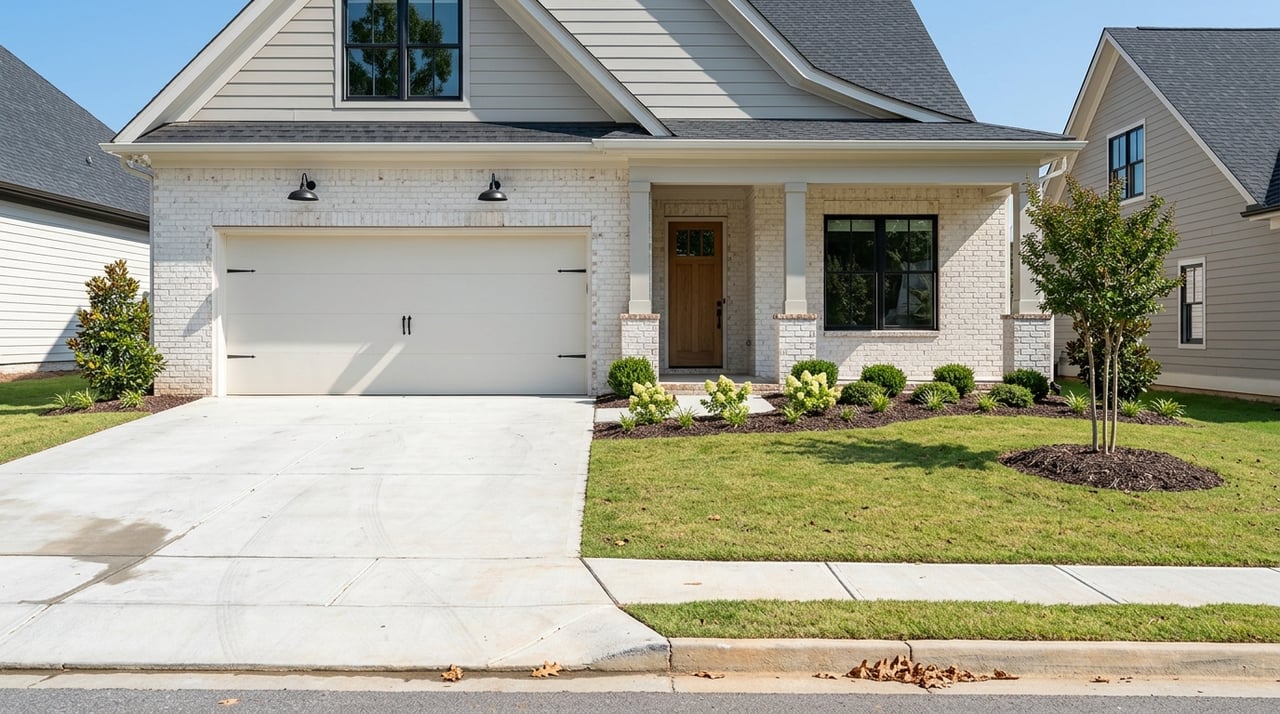
Comparing Alpharetta New Construction Communities
Looking at a glossy model home is easy. Deciding which new construction community in Alpharetta actually fits your day-to-day life is the harder part. If you want to compare options with more confidence, you need to look beyond finishes and incentives and focus on location, lifestyle, costs, and build quality. Let’s dive in.
In Alpharetta, community location shapes your experience as much as the home itself. The city’s planning framework highlights important activity areas like Downtown Alpharetta and North Point, which means access, circulation, and surrounding land use can have a big impact on how a community feels over time.
That is why your first comparison should not be quartz versus marble. It should be how close a community is to the places and routines that matter most to you, including Downtown, Avalon, North Point, parks, and trail connections.
Alpharetta is known for strong outdoor and walkability features. Local tourism information notes that the city has more than 25 parks, over 775 acres of green space, a 9-mile paved Big Creek Greenway, and the 1-mile AlphaLoop connecting Downtown Alpharetta and Avalon.
If you enjoy walking, biking, or spending time outdoors, those details matter. A home that is closer to trails, parks, or walkable districts may deliver more value to you than one with a longer list of interior upgrades.
A community may carry an Alpharetta address, but the surrounding experience can vary a lot. Some locations feel closely tied to Downtown activity, while others may offer a quieter setting with different traffic patterns and access points.
When you compare communities, think about your real weekly routine. Ask yourself how often you will head to Avalon, Downtown Alpharetta, Wills Park, or the Greenway, and how easy those trips will be from each location.
Not all new construction in Alpharetta is built the same way. Current examples show a mix of boutique enclaves, townhome communities, and larger estate-style neighborhoods, so it helps to compare the overall structure of a community before you focus on the house plan.
For example, The Gathering is listed with 6 total homes and includes both single-family homes and townhomes. Toll Brothers at Lakeview lists 14 total homes and is marketed as luxury townhomes in a mixed-use development, while Verdant is a larger estate-style community with 41 private homesites.
Some buyers want low-maintenance townhome living. Others want a single-family home with more separation from neighbors, a different garage layout, or a more private homesite.
That is why product type should be one of your first filters. A townhome community with lawn maintenance included will offer a very different ownership experience from a neighborhood built around larger private homesites.
Lot size tells only part of the story. You should also compare homesite count, tree buffers, setbacks, and whether garages are rear-load or side-entry, because those details shape privacy and curb appeal.
In Alpharetta, a smaller community may feel more tucked away, while a larger one may offer a different kind of neighborhood rhythm. Neither is automatically better. The right fit depends on how much privacy, activity, and structure you want around you.
Amenity lists can sound impressive, but the best amenity is usually the one you will use every week. In Alpharetta, that often means practical features like sidewalks, trails, lawn maintenance, or easy access to retail and dining.
For example, The Gathering emphasizes a garden, pond, trails, and AlphaLoop connectivity. Toll Brothers at Lakeview highlights a lake, rooftop terraces, and proximity to Avalon, Downtown Alpharetta, the AlphaLoop, and GA-400, while Emberly - Mariposa Collection emphasizes low-maintenance living with lawn care included.
A simple way to compare communities is to group amenities into three categories:
This makes it easier to spot what actually fits your lifestyle. A rooftop terrace may sound exciting, but if you use the Greenway three times a week, trail access may matter much more.
Trail access is a meaningful lifestyle feature in Alpharetta. Big Creek Greenway access points include Haynes Bridge Road, Kimball Bridge, Marconi Drive, Northpoint Parkway, Preston Ridge, Rock Mill Park, and Union Hill Park.
If you regularly walk, run, or bike, proximity to those access points can be a major advantage. The same goes for communities near the AlphaLoop, which connects Downtown Alpharetta and Avalon.
A smart comparison is never just about the purchase price. You also need to understand the monthly cost of owning the home once HOA dues and other recurring expenses are added in.
The Consumer Financial Protection Bureau notes that HOA fees are part of your total monthly housing payment along with property taxes, insurance, and maintenance. HOA dues are usually paid directly to the association, and they can range from a few hundred dollars per month to more than $1,000 per month.
The better question is not whether a community has an HOA. The real question is what you get for that cost.
In one community, dues may help cover lawn care and amenity upkeep. In another, they may also support entry maintenance, master insurance, or architectural controls. You want to compare value, not just the number.
In Georgia, homeowners associations are private entities and are not subject to the Open Records Act or the Open Meetings Act. That makes it even more important to review community documents carefully during your due diligence period.
It is also important to take HOA dues seriously. The CFPB notes that unpaid HOA dues can lead to debt collection efforts and even foreclosure.
If school attendance is part of your planning, verify zoning using the exact property address. Fulton County Schools states that its Operational Planning division maintains attendance zone maps and a Find My School locator based on the home address.
This matters because zoning can change through redistricting. A subdivision name alone is not enough to confirm school attendance zones.
Beautiful design selections do not always tell you how a home was built. If you are comparing new construction communities in Alpharetta, one of the smartest steps you can take is to ask questions that go beyond brochure language.
Georgia’s state minimum standard residential code is mandatory statewide, and Alpharetta maintains a Construction & Inspections function for residential building construction. That gives you a baseline for asking whether the home followed the local permit and inspection process.
Some of the strongest quality signals come from independent standards and testing. ENERGY STAR certified new homes use building practices intended to improve durability, comfort, and utility savings, and they involve independent inspections and testing.
Indoor AirPlus is another useful marker because it focuses on construction practices and product choices that help reduce airborne pollutants and contaminants. A documented HERS score can also help you compare energy performance, since lower HERS scores indicate better efficiency.
When you tour a community, ask clear questions like:
These questions help you separate true construction quality from polished presentation. For buyers who want practical guidance, this is often where the most important differences show up.
If you are deciding between several new construction communities in Alpharetta, keep your comparison focused on four big areas. This can make the process feel much more manageable.
Use this checklist:
In Alpharetta, these tradeoffs stand out because the city offers a wide range of new-home styles, strong trail access, and highly distinct location patterns. The best choice is usually the one that supports your routine, budget, and long-term comfort, not just the one with the flashiest model home.
Choosing new construction should feel exciting, but it should also feel informed. If you want a second set of eyes on community differences, builder questions, or the tradeoffs between location, privacy, and long-term value, Casey Schiltz can help you compare Alpharetta options with a practical, construction-aware approach.
Stay up to date on the latest real estate trends.


With over 15 years of experience in the real estate industry, Casey has built a reputation for delivering exceptional results for her clients.