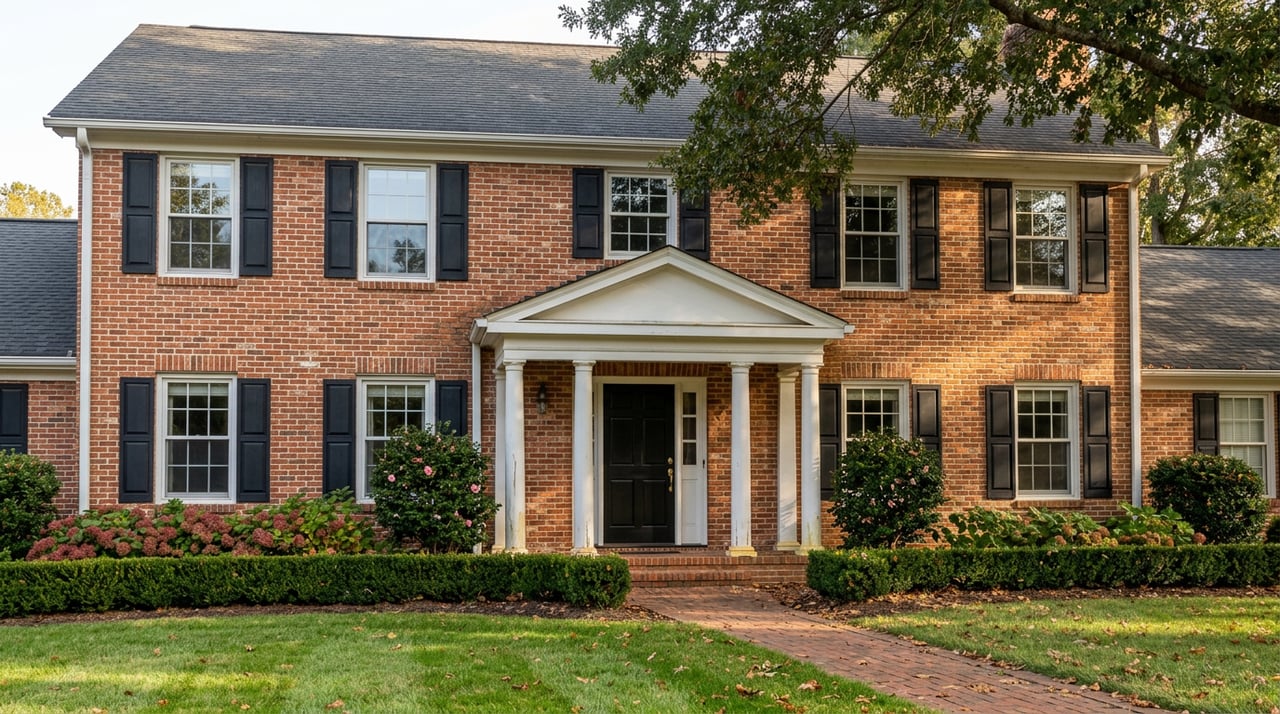
Understanding Roswell Historic District Renovation Rules
Most buyers who fall for a house inside Roswell's Historic District walk in with the same assumption: win over the Historic Preservation Commission, and the rest of the renovation takes care of itself. That assumption runs backwards in a way that costs real weeks on a timeline, and it runs backwards in both directions. The commission controls more of the approval calendar than buyers expect, and less of the actual design than buyers expect.
Understanding which is which, before you write an offer or start sketching a kitchen addition, is the difference between a renovation that stays on schedule and one that stalls twice.
Roswell's Historic District covers 640 acres, and the Historic Preservation Commission has reviewed exterior changes inside it since the city's preservation program was certified under state and national law on January 15, 1992, according to a Georgia Attorney General opinion on the commission's authority. The seven-member board is made up of resident volunteers, and a majority are required to have real background in history or architecture, not just an interest in the neighborhood.
The trigger for HPC review is a legal term called "material change in appearance." Georgia's Historic Preservation Act defines that narrowly, around exterior architectural features: the style and texture of building materials, the type and design of windows, doors, and signs, and the construction, alteration, or removal of exterior structures. If your project touches any of that, you need what the state calls a Certificate of Appropriateness before work begins.
Here's the part that surprises people once they've already assumed the commission runs the whole show: that same statute carves paint out of the definition entirely. A 2014 opinion from the Georgia Attorney General's office, issued specifically in response to a question from Roswell's own city attorney, confirmed that the Historic Preservation Commission has no authority to regulate exterior paint color under Roswell's ordinance, because state law excludes paint from the definition of a material change in appearance. You can repaint a Greek Revival front door bright red without asking anyone's permission. You cannot replace that door with a different style without one.
The narrower scope of what HPC controls does not shrink your total approval workload. It just means the paperwork splits into two separate tracks that run through two separate departments, on two separate timelines.
| Historic Preservation Commission | Roswell Building Division | |
|---|---|---|
| Governs | Exterior appearance: materials, windows, doors, massing, demolition | Structural, electrical, plumbing, mechanical code compliance |
| Trigger | Any material change in appearance to a historic property | Any permitted construction work, regardless of location |
| Reviewer | 7 volunteer commissioners with history or architecture background | City building inspectors and plan reviewers |
| Meets | Roughly monthly, one scheduled evening meeting | Ongoing, by appointment and inspection schedule |
| Does not cover | Interior systems, structural safety, code compliance | Exterior design, historic character, material choice |
A Certificate of Appropriateness from the HPC tells you your addition's roofline and siding pass historic muster. It does not tell the city your framing meets code, and it does not substitute for the standard building permit that same addition still requires. Buyers who assume the CoA is the finish line often discover, mid-renovation, that they are now waiting on a second department that has never seen their HPC-approved drawings before.
The HPC's meeting calendar runs on a roughly monthly cadence, one scheduled evening meeting at a time. Miss the packet deadline for that month's meeting, and your Certificate of Appropriateness application waits for the next scheduled session before a commissioner even looks at it, and that's before the separate building permit clock has started at all.
This is exactly where having someone in your corner who thinks like a builder pays off. Casey Schiltz works from a family with a second-generation local builder, which means the conversation before you write an offer isn't limited to square footage and school zones. It includes a realistic read on whether a planned exterior change is likely to sail through HPC review or draw a second look, and how to sequence your due diligence period so the CoA application is already moving before you're past inspection contingencies.
Inspection strategy matters just as much on the code side. Homes in the district tend to carry older mechanical systems, period windows, and a mix of updated and original plumbing, and their proximity to the Chattahoochee and Vickery Creek corridors makes gutter and drainage condition worth a genuinely close look during due diligence. None of that runs through the Historic Preservation Commission. It runs through a standard home inspector and, if problems surface, a standard contractor bid, on the standard building code track.
The same pattern, process opening before permission does, shows up at the state level too, and it matters if you're timing a purchase around it. Georgia's new Historic Home Tax Credit Program began accepting applications on October 1, 2025, for owner-occupied primary residences that are locally designated or contributing to a local historic district. But the program itself does not take effect until January 1, 2026, meaning rehabilitation work funded under it legally cannot begin before that date even though the application window opened three months earlier.
Pair that with the Preferential Property Tax Assessment Program, which freezes the county property tax assessment for more than eight years on a qualifying rehabilitation, and the incentive picture gets genuinely attractive for the right project. To qualify, the rehabilitation has to increase the property's fair market value by 50 to 100 percent depending on how the home is used, a bar substantial enough that it usually means a real gut renovation, not a cosmetic refresh.
If you're buying with the intent to use either program, the sequencing question isn't whether the incentive exists. It's whether your closing date, your HPC approval timeline, and the program's own start date line up in the right order.
As of January 2026, Roswell's median listing price sat around $675,000, with real variation by zip code and by how close a given block sits to the historic core. That number tells you almost nothing about what a specific historic property will cost to actually own, because the two biggest cost variables, the scope of exterior work you'll want to do and how long HPC approval takes to clear, don't show up in a listing price at all.
The buyers who do well in this district are the ones who price the calendar, not just the house. A Certificate of Appropriateness on a straightforward window replacement might clear in a single monthly meeting. A larger addition that changes massing or requires demolition of a contributing structure can take multiple meetings and revisions before approval. Knowing which category your project falls into before you make an offer is worth more than knowing the median price for the zip code.
Does every home inside the Historic District boundary require HPC review? Only exterior changes that meet the legal definition of a material change in appearance trigger a Certificate of Appropriateness. Interior renovations that don't touch exterior architectural features generally don't require HPC review, though they still require standard building permits if they involve structural, electrical, plumbing, or mechanical work.
Can I choose any exterior paint color I want? Yes. State law and a 2014 Georgia Attorney General opinion confirm the Historic Preservation Commission cannot regulate exterior paint color under Roswell's ordinance, since paint alterations are specifically excluded from the legal definition of a material change in appearance.
If HPC approves my project, do I still need a separate city building permit? In almost every case, yes. The Certificate of Appropriateness addresses appearance and historic character. Roswell's building division separately enforces state building, mechanical, plumbing, and electrical codes, and that review happens independently of HPC approval.
Renovation math inside a historic district rarely fails on design taste. It fails on sequence, on assuming one approval covers what actually takes two, or on missing a monthly meeting window that pushes a whole project a month down the calendar. That's the kind of friction that's easy to miss from a listing photo and expensive to discover after closing.
If you're weighing a historic Roswell property, or trying to figure out what a specific renovation plan will actually require before you write an offer, Casey Schiltz can walk the timeline with you alongside the build side of the equation. Schedule a consultation before you fall for the front porch.
Stay up to date on the latest real estate trends.

With over 15 years of experience in the real estate industry, Casey has built a reputation for delivering exceptional results for her clients.