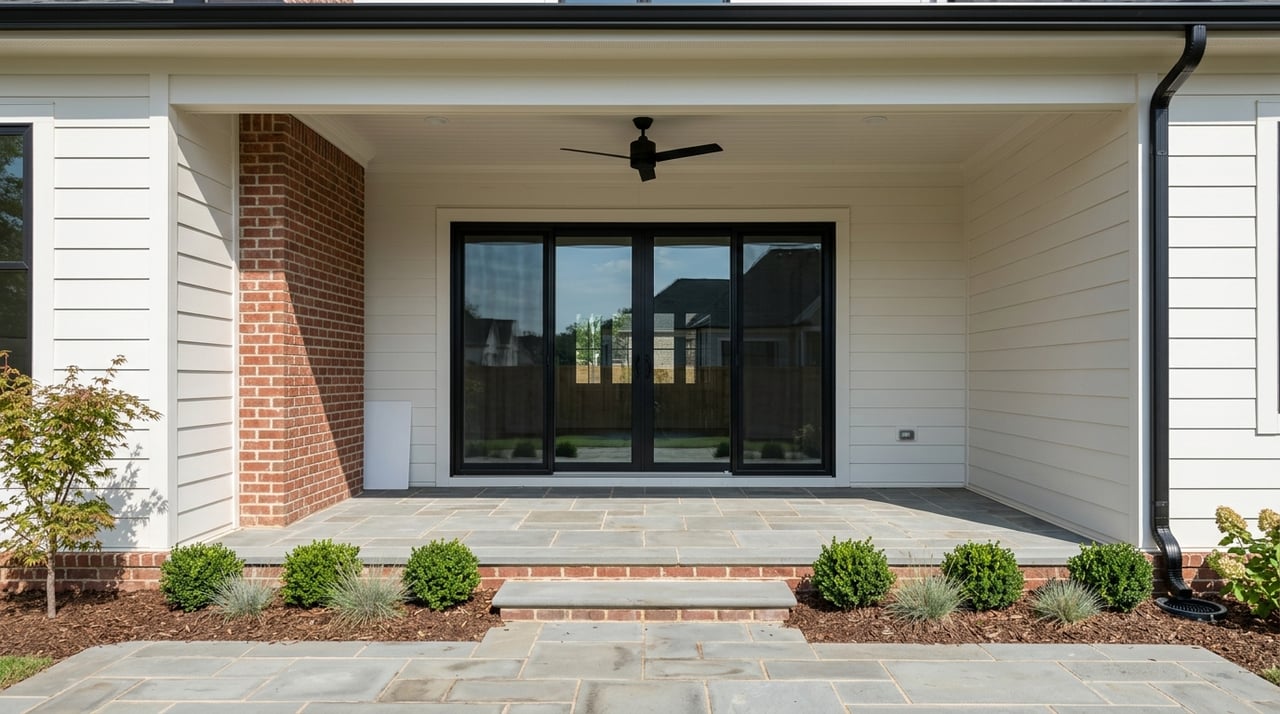
Buying New Construction in Alpharetta: What to Review
Buying new construction in Alpharetta can feel simple at first glance. You walk through a polished model home, study the floor plan, and start picturing your life there. But the smartest buyers know a new home is never just the house. It is also the lot, the contract, the warranty, the monthly costs, and the city rules that shape what gets built around you. If you want to evaluate a new construction home with more confidence, this guide will show you what to look at before you commit. Let’s dive in.
In Alpharetta, the site can matter just as much as the floor plan. The city’s Planning & Zoning resources cover design review, impact fees, land development, stormwater and streams, trees, and zoning and public hearings. Alpharetta also publishes planning materials for the Downtown Overlay District, the North Point area, and the Unified Development Code, which means neighborhood context can affect what you buy and what may change nearby over time.
Before you fall in love with finishes, confirm the exact address and where it sits on the zoning map. You should also ask whether the property falls within downtown or North Point planning overlays. Those details can help you understand the bigger picture around the home, not just the home itself.
Drainage should be one of your first due diligence items in Alpharetta. The city maintains local stormwater and floodplain information, which makes this a practical issue for buyers reviewing specific lots.
If a home backs to low areas, creeks, retention space, or visible drainage paths, ask direct questions early. You want to know how water moves across the lot, whether any floodplain concerns apply, and whether extra insurance may become part of your ownership costs.
Lot clearing can change the feel and function of a property. Alpharetta has residential tree-removal resources, which signals that tree preservation and clearing are part of the local approval landscape.
If mature trees are a big reason you like a property, ask what stays and what goes. You should also ask about grading plans, slope, and whether the backyard or side yard will look and function the way you expect after construction is complete.
If school assignment matters to your search, verify it by address. Fulton County Schools provides attendance-zone and learning-zone resources, so this is something to confirm rather than assume from an Alpharetta mailing address alone.
That step can help you avoid surprises later. It also gives you a cleaner way to compare two similar homes in different parts of the city.
A beautiful model home does not replace basic vetting. Before you treat a builder as a low-risk partner, verify the builder and, when possible, the qualifying contractor through Georgia’s license lookup resources.
The Georgia State Licensing Board for Residential and Commercial General Contractors regulates individuals engaged in construction contracting and can discipline unauthorized, negligent, or incompetent practice. That makes license verification a practical first step, not a formality.
Georgia Rule 553-7 requires licensed residential contractors on covered contracts to offer a written warranty. Before a covered contract is executed, the warranty or an identical blank standard form must be attached or made available for review.
That matters because you should not wait until late in the process to understand what is covered. The warranty must describe covered work, exclusions, standards for evaluation, claim procedures, contractor response options, and assignable manufacturer warranties.
Many buyers hear the word "warranty" and assume broad protection. In reality, builder warranties are often limited. Workmanship items are commonly covered for about one year, while HVAC, plumbing, and electrical systems are generally covered for about two years. Some builders also offer structural coverage for up to ten years.
You should also expect exclusions. Appliances may fall under manufacturer warranties, and some cosmetic issues may not be covered. Many warranties also use mediation or arbitration, so it is important to understand the dispute process before you sign.
Georgia’s Right to Repair Act is another reason to keep your paperwork organized. According to Georgia consumer guidance, a buyer must give written notice at least 90 days before filing suit over construction defects, and that notice must describe the claimed defects and supporting materials.
In plain terms, warranty disputes often become formal well before any lawsuit is filed. That is one more reason to save emails, keep punch-list records, and understand the builder’s stated process from day one.
Model homes are designed to sell a vision. Your job is to compare the actual home you are buying, with the exact lot, specific included features, and full monthly carrying cost.
For many Alpharetta buyers, the real comparison comes down to base price, included features, lot premium, structural options, finish upgrades, and builder incentives. A lower base price does not always mean a better value if key features are missing or if the lot carries extra cost.
Ask the builder to separate each part of the price clearly. You want to see:
This helps you compare communities on equal footing. It also makes negotiation and budgeting much easier.
New-construction buyers may be asked for earnest money or a builder deposit. You should ask when that deposit is refundable and under what conditions it may be kept.
That question matters even more if the home is not yet complete. Contract terms can vary, and you want to understand your exposure before money is at risk.
You do not have to use a builder’s affiliated lender. Buyers have the right to shop around, and that can be especially helpful when you are comparing rates, fees, and the long-term cost of the loan.
Even if the builder offers an incentive through a preferred lender, compare the total numbers. The best deal is the one that improves your full financial picture, not just the headline credit.
Affordability is bigger than principal and interest. Your total monthly housing cost can also include property taxes, mortgage insurance, homeowner’s insurance, possible supplementary insurance such as flood insurance, HOA dues, maintenance, repairs, and utilities.
Closing costs matter too. They commonly run about 2% to 5% of the purchase price, before your down payment. If you only budget for the sales price, you may understate what it really takes to close and carry the home comfortably.
HOA fees are especially important in newer subdivisions. These dues are usually paid directly to the association and can range from a few hundred dollars a month to more than $1,000 a month.
That is why HOA cost should be part of your side-by-side comparison, not an afterthought. Ask what the dues cover and how often they are paid so you can compare communities accurately.
Insurance should be part of your early screening process. It is wise to get an informal insurance estimate before you commit, especially if the lot has drainage concerns or water-adjacent features.
A standard homeowners policy generally does not cover flood damage. In Alpharetta, where local floodplain and stormwater resources are part of buyer due diligence, this can be a meaningful cost and risk issue on certain lots.
New construction often involves a longer and less predictable timeline than resale. That makes contract terms, inspections, and city approvals more important.
A purchase contract should be reviewed carefully, and buyers should understand financing terms and inspection rights before signing. For homes that are not yet built, it is especially important to understand deposit terms and keep the ability to shop for outside financing.
A satisfactory inspection is still important in new construction. An independent inspection should be scheduled as soon as possible so there is time to address issues before closing.
Even with a new home, do not assume everything is complete or corrected just because construction is recent. An outside inspection gives you another layer of review before final funds are due.
In Alpharetta, municipal inspection timing can affect the closing calendar. The city notes that inspection requests are called into the Inspections Division the same day, between 7:30 and 8:30 a.m., which is a good reminder that final approvals are tied to real scheduling steps.
Ask what inspections and city approvals are still outstanding before closing. That question can help you spot possible delays while there is still time to adjust plans.
Borrowers can usually choose some third-party providers, and independent settlement agents or title providers may offer lower costs or more objective advice. If you are using FHA or VA financing, some builders may also need to buy third-party warranties as part of those programs.
This is another area where comparing options can pay off. Do not assume every closing service or fee is fixed just because the builder presents a standard path.
When you evaluate a new construction home in Alpharetta, try to think in layers. You are not only buying the plan. You are buying the site, the approval context, the builder relationship, the contract terms, and the long-term monthly cost.
A strong review usually includes these questions:
The best new-construction decision is rarely the one with the flashiest model home. In Alpharetta, it is usually the home with the clearest paperwork, the most transparent costs, the best-fit lot, and the fewest unanswered questions.
If you want a construction-savvy second set of eyes as you compare builders, lots, contracts, and upgrade decisions in North Atlanta, Casey Schiltz can help you evaluate the details with clarity and confidence.
Stay up to date on the latest real estate trends.

With over 15 years of experience in the real estate industry, Casey has built a reputation for delivering exceptional results for her clients.